
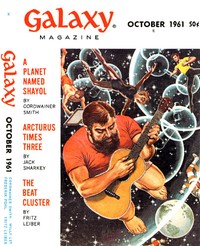
The Spy in the Elevator
Written by Donald E. Westlake
Chaptra reads alongside you — AI insights, chapter breakdowns and reader discussions for every book. Join free
About this book
Reading guide
Themes, characters and key ideas in The Spy in the Elevator, written by Chaptra AI.
- about 3 hours
- intermediate
- humorous
- dystopian
- anxious
Donald E. Westlake's "The Spy in the Elevator" is a satirical science fiction novella from the early 1960s, set in a dystopian future where humanity resides in vertical 'Projects' following an ecological disaster. The story follows Edmund Rice, a young man whose meticulously planned marriage proposal to Linda is derailed by a series of increasingly absurd misfortunes, primarily involving a malfunctioning elevator trapping a suspected spy. As Edmund navigates a day filled with anxiety, societal paranoia, and the frustrations of a broken system, he is forced to confront a frenzied spy who challenges the very foundations of their confined existence. The novella masterfully blends dark humor and unexpected action, culminating in Edmund's reluctant heroism and a surprising twist in his romantic future, all while exploring themes of freedom, love, and the absurdity of modern life.
“One simply did not propose amidst a malfunctioning elevator, a suspected spy, and the ever-present hum of societal paranoia.”
Key themes
- Societal Control & Paranoia
- The novella is set in a dystopian future where society lives in vertical 'Projects' under constant military oversight, fostering an environment of fear and suspicion. This theme explores how authority manipulates information and instills paranoia to maintain order, and how individuals navigate or resist such a system.
- Anxiety & Frustration
- Edmund Rice's entire day is a testament to escalating anxiety and frustration. From the initial delay caused by the elevator to the increasingly bizarre and dangerous encounters, the novella vividly portrays the psychological impact of having one's plans repeatedly thwarted by forces beyond one's control, exacerbated by a pervasive sense of dread in the dystopian setting.
- Absurdity of Existence
- Westlake employs dark humor and farcical events to highlight the inherent absurdity of human life, particularly when subjected to irrational systems and unexpected chaos. Edmund's meticulously planned day unraveling due to a faulty elevator and a manic spy underscores how easily order can collapse into meaninglessness.
Worth discussing
How does Westlake use humor and absurdity to critique dystopian societies and societal control?
Chapter-by-chapter breakdowns, character arcs and the full thematic analysis come with a free account.
Discussions
No one has started one yet
Questions this book opens up
No discussions yet
Be the first to start a discussion about this book!
Sign up to start the discussionReviews
No reviews yet
Be the first to review this book!