
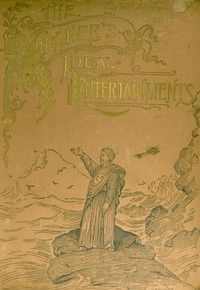
The speaker's ideal entertainments : $b for home, church and school. Consisting of recitals, dialogues and dramas
Written by George M. (George Morley) Vickers
Chaptra reads alongside you — AI insights, chapter breakdowns and reader discussions for every book. Join free
About this book
Reading guide
Themes, characters and key ideas in The speaker's ideal entertainments : $b for home, church and school. Consisting of recitals, dialogues and dramas, written by Chaptra AI.
- about 10 hours
- intermediate
- instructive
- educational
- formal
George M. Vickers's "The Speaker's Ideal Entertainments" is a late 19th-century anthology designed as a comprehensive resource for elocution and performance in various settings, including home, church, and school. It compiles recitals, dialogues, and dramas, carefully selected for their pedagogical value in teaching effective delivery and dramatic presentation. The work is notable for its practical annotations, offering guidance on gestures and dramatic poses to aid both novice and experienced performers. Vickers emphasizes the unique and novel nature of its selections, positioning the book as an essential tool for cultivating the art of public speaking and theatrical expression during its era.
“"The importance of elocution in delivering recitations cannot be overstated."”
Key themes
- The Art of Elocution and Performance
- This is the central theme, focusing on the systematic training and practice required for effective public speaking and dramatic presentation. The book provides explicit guidance on vocal delivery, articulation, gesture, and dramatic poses, positioning elocution as a refined art essential for conveying meaning and emotion.
- Historical Pedagogy and Performance Practice
- The book serves as a historical document showcasing late 19th-century methods of teaching performance and elocution. It reveals the specific techniques, expectations, and values placed on spoken word and dramatic presentation during that era, including detailed physical instructions.
- Moral and Educational Instruction
- Given its intended audience ('home, church and school'), the book implicitly or explicitly promotes moral values, ethical conduct, and educational uplift through its selected pieces. Many recitals and dramas from this era served as vehicles for teaching virtues, patriotism, or cautionary tales.
Worth discussing
How does Vickers's emphasis on gestures and dramatic poses reflect the performance aesthetics of the late 19th century compared to modern performance styles?
Chapter-by-chapter breakdowns, character arcs and the full thematic analysis come with a free account.
Discussions
No one has started one yet
Questions this book opens up
No discussions yet
Be the first to start a discussion about this book!
Sign up to start the discussionReviews
No reviews yet
Be the first to review this book!