
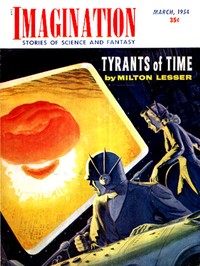
The Sling and the Stone
Written by Michael Shaara
Chaptra reads alongside you — AI insights, chapter breakdowns and reader discussions for every book. Join free
About this book
Reading guide
Themes, characters and key ideas in The Sling and the Stone, written by Chaptra AI.
- about 8 hours
- intermediate
- tense
- thought-provoking
- somber
Michael Shaara's "The Sling and the Stone," a science fiction novel from the early 1950s, plunges protagonist Pyotr Diavilev, a Russian scientist, into a profound moral crisis aboard a new space station. Tasked with manipulating a moonlet, Diavilev uncovers a horrifying military plan to weaponize it against America, transforming a scientific endeavor into a tool for mass destruction. As he grapples with the ethical implications of his expertise being used for cataclysmic warfare, his understanding of power and morality undergoes a radical shift. This internal struggle culminates in a dramatic confrontation with ruthless military leaders, forcing Diavilev to make a fateful choice that challenges the destructive potential of human ambition and militarism. The narrative masterfully juxtaposes the vastness of space with the terrifying intimacy of human-made devastation.
“"Space was meant for wonder, not for the forging of new slingshots to cast stones upon our own kind."”
Key themes
- Scientific Responsibility vs. Military Power
- This central theme explores the moral obligations of scientists when their discoveries and expertise are co-opted for destructive military purposes. It delves into the conflict between the pursuit of knowledge for human advancement and its perversion into tools of war, questioning where a scientist's ultimate loyalty should lie.
- Moral Dilemmas of Warfare
- The novel directly confronts the ethical quandaries inherent in modern warfare, particularly the concept of mass destruction. It challenges the justifications for 'necessary evil' and explores the psychological toll on individuals forced to participate in or enable such devastation.
- The Nature of Power and Corruption
- This theme examines how power, particularly military and political power, can corrupt individuals and institutions, leading to a disregard for human life and ethical boundaries. It questions the justifications for wielding ultimate destructive force.
Worth discussing
Discuss the ethical responsibility of scientists in developing technologies with destructive potential. Where does their loyalty lie?
Chapter-by-chapter breakdowns, character arcs and the full thematic analysis come with a free account.
Discussions
No one has started one yet
Questions this book opens up
No discussions yet
Be the first to start a discussion about this book!
Sign up to start the discussionReviews
No reviews yet
Be the first to review this book!