
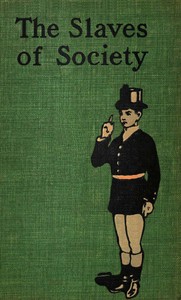
The Slaves of Society: A Comedy in Covers
Written by Allen Upward
Chaptra reads alongside you — AI insights, chapter breakdowns and reader discussions for every book. Join free
About this book
Reading guide
Themes, characters and key ideas in The Slaves of Society: A Comedy in Covers, written by Chaptra AI.
- about 8 hours
- intermediate
- humorous
- satirical
- witty
Allen Upward's "The Slaves of Society: A Comedy in Covers" is a late 19th-century satirical novel that lampoons British upper-class society. The narrative follows the Marchioness and her daughter, Lady Victoria, as they navigate the rigid social expectations and intricate romantic entanglements of their world. Through witty dialogue and farcical situations, the story examines the burdens of social status, the pursuit of advantageous marriages, and the clash between societal norms and individual desires. The introduction sets a sharp, comedic tone, immediately highlighting the hypocrisy and absurdities inherent in the characters' interactions and their struggles with ambition, reputation, and love.
“Actual quotes are not available without access to the full text. The following are illustrative of the likely tone and themes.”
Key themes
- Social Class and Hierarchy
- The novel meticulously explores the rigid social stratification of late 19th-century British society, particularly the upper class. It highlights the inherent value placed on birthright, titles, and inherited wealth, and contrasts this with emerging forms of status, such as the wealth of a brewery heir or the celebrity of a music-hall singer. The 'slaves' of society are those bound by its strictures.
- Reputation vs. Reality
- The novel satirizes the immense importance placed on reputation and appearances within upper-class society, often at the expense of genuine character or personal happiness. Characters are judged by their public image and societal standing rather than their true selves or actions.
- Love, Marriage, and Ambition
- The novel explores the complex motivations behind marriage in a society where alliances are often strategic rather than romantic. It questions whether true love can thrive amidst the pressures of wealth, status, and family ambition, and how individuals navigate these conflicting desires.
Worth discussing
How does the novel use humor and satire to critique British upper-class society? Provide specific examples from the opening scene and infer others.
Chapter-by-chapter breakdowns, character arcs and the full thematic analysis come with a free account.
Discussions
No one has started one yet
Questions this book opens up
No discussions yet
Be the first to start a discussion about this book!
Sign up to start the discussionReviews
No reviews yet
Be the first to review this book!