
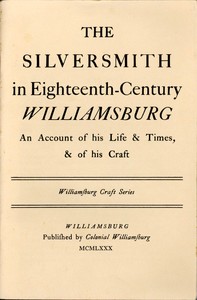
The Silversmith in Eighteenth-Century Williamsburg: An Account of His Life & Times, & of His Craft
Written by Thomas K. Ford
Chaptra reads alongside you — AI insights, chapter breakdowns and reader discussions for every book. Join free
About this book
Reading guide
Themes, characters and key ideas in The Silversmith in Eighteenth-Century Williamsburg: An Account of His Life & Times, & of His Craft, written by Chaptra AI.
- about 12 hours
- advanced
- informative
- detailed
- historical
Thomas K. Ford's "The Silversmith in Eighteenth-Century Williamsburg" offers a meticulously researched historical account of silversmithing in colonial Virginia. The book illuminates the lives, craft, and socio-economic significance of artisans like James Craig and James Geddy Jr., detailing their techniques, apprenticeships, and contributions to the community. Ford explores the interplay between local production and the demand for British imports, painting a vivid picture of the marketplace and cultural fabric of pre-Revolutionary Williamsburg. Through a blend of historical narrative and technical exposition, the book establishes the silversmith's vital role in colonial society and economy.
“"The silversmith, more than any other artisan, stood at the intersection of utility and artistry, crafting objects that served both daily needs and symbols of status."”
Key themes
- Craftsmanship and Skill
- This theme explores the intricate processes, tools, and specialized knowledge required for silversmithing in the 18th century. Ford delves into the dedication, precision, and artistry inherent in transforming raw silver into functional and decorative objects, highlighting the value placed on mastery of a trade.
- Economic Independence and Competition
- The book examines the economic realities faced by colonial silversmiths, including their efforts to establish and maintain businesses, advertise their wares, and compete in a marketplace heavily influenced by British imports. It highlights the challenges of local production against established foreign goods.
- Material Culture and Identity
- The book illustrates how the silver objects produced by Williamsburg artisans contributed to the material culture of colonial America, reflecting tastes, customs, and evolving identities. These objects were not just functional but also symbolic of wealth, status, and a burgeoning sense of American style, even as they often emulated British forms.
Worth discussing
How did the apprenticeship system shape the lives and careers of colonial silversmiths, and what parallels or differences can be drawn with modern vocational training?
Chapter-by-chapter breakdowns, character arcs and the full thematic analysis come with a free account.
Discussions
No one has started one yet
Questions this book opens up
No discussions yet
Be the first to start a discussion about this book!
Sign up to start the discussionReviews
No reviews yet
Be the first to review this book!