
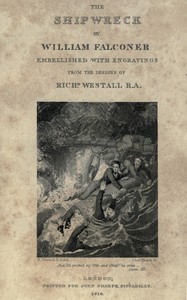
The shipwreck
Written by William Falconer
Chaptra reads alongside you — AI insights, chapter breakdowns and reader discussions for every book. Join free
About this book
Reading guide
Themes, characters and key ideas in The shipwreck, written by Chaptra AI.
- about 8 hours
- advanced
- tragic
- perilous
- epic
William Falconer's "The Shipwreck" is an epic narrative poem from the late 18th century that vividly recounts the perilous journey and ultimate demise of a merchant ship and its crew. Framed around the voyage of the Britannia, led by Captain Albert, the poem begins with the crew's optimistic departure from port, bound for Venice. However, this initial joy is quickly overshadowed by ominous portents, foreshadowing the immense struggles and dangers they will face at sea. Falconer, drawing on his own extensive maritime experience, intricately details the technical aspects of sailing alongside the dramatic human struggle against the overwhelming power of nature, culminating in a tragic shipwreck that explores themes of fate, loss, and human resilience.
“From every region, borne on every wind, / The fiends of ocean urge their dire career.”
Key themes
- Human vs. Nature
- This is the central conflict of the poem, exploring humanity's struggle against the overwhelming and indifferent forces of the natural world, particularly the sea. Falconer vividly portrays nature as both majestic and terrifying, emphasizing human vulnerability and the limits of human control.
- Fate and Destiny
- The poem explores the idea of an inescapable destiny, with initial omens foreshadowing the tragic end. Despite the crew's skill and courage, the narrative suggests a predetermined path leading to the shipwreck, raising questions about free will versus predestination.
- Loss and Grief
- As a narrative poem culminating in a shipwreck, the theme of loss is central, encompassing the loss of life, the loss of the vessel, and the profound grief experienced by survivors and those left behind. It delves into the emotional toll of such a disaster.
Worth discussing
How does Falconer's personal experience as a sailor influence the authenticity and detail of the poem?
Chapter-by-chapter breakdowns, character arcs and the full thematic analysis come with a free account.
Discussions
No one has started one yet
Questions this book opens up
No discussions yet
Be the first to start a discussion about this book!
Sign up to start the discussionReviews
No reviews yet
Be the first to review this book!