
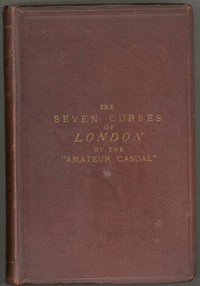
The seven curses of London
Written by James Greenwood
Chaptra reads alongside you — AI insights, chapter breakdowns and reader discussions for every book. Join free
About this book
Reading guide
Themes, characters and key ideas in The seven curses of London, written by Chaptra AI.
- about 8 hours
- intermediate
- dark
- somber
- investigative
James Greenwood's "The Seven Curses of London" is a searing late 19th-century social commentary that meticulously dissects the systemic failures contributing to urban poverty and social decay in London. Through a series of vivid and often harrowing narratives, Greenwood exposes the dire conditions faced by the city's most vulnerable, including neglected pauper children, hardened criminals, and professional beggars. The work functions as an investigative report, shining a harsh light on the structural issues and moral indifference that perpetuate a cycle of destitution and crime. It serves not only as a historical account of Victorian London's underbelly but also as a passionate plea for social reform and greater societal responsibility towards its marginalized populations.
“"There is no sight in London more pitiable than that of the neglected child."”
Key themes
- Urban Poverty and Destitution
- This is the central theme, explored through vivid descriptions of the daily struggles of the poor, the squalor of their living conditions, and their constant battle for survival. Greenwood details the physical and psychological toll of poverty, illustrating how it strips individuals of dignity and hope.
- Social Neglect and Systemic Failure
- Greenwood argues that the 'curses' are not merely individual failings but symptoms of a larger societal breakdown. He critiques the inadequate social provisions, the failures of the educational and justice systems, and the general indifference of the wealthier classes to the plight of the poor.
- Crime and Its Origins
- The book extensively explores the various forms of crime prevalent in London, but crucially, it links crime directly to poverty and desperation. Greenwood suggests that many criminals are not inherently evil but are driven to illegal acts by circumstance, making a case for understanding the social roots of criminal behavior.
Worth discussing
How does Greenwood's portrayal of poverty challenge or reinforce common Victorian attitudes towards the poor?
Chapter-by-chapter breakdowns, character arcs and the full thematic analysis come with a free account.
Discussions
No one has started one yet
Questions this book opens up
No discussions yet
Be the first to start a discussion about this book!
Sign up to start the discussionReviews
No reviews yet
Be the first to review this book!