
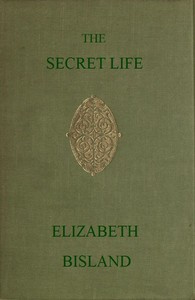
The Secret Life: Being the Book of a Heretic
Written by Elizabeth Bisland
Chaptra reads alongside you — AI insights, chapter breakdowns and reader discussions for every book. Join free
About this book
Read it with a club
Chaptra's lives and letters clubs — small groups reading the same books and talking as they go.


Memoir or Fiction?
Lives and letters
- 4 members
- 4 discussions
- Active Sep 11
Where memory ends and craft begins. We read memoir and argue about how much invention it can hold before it becomes something else. This is a Chaptra house club — set up and moderated by us to get the conversation going. Open to everyone; jump in anywhere.
Read The Secret Life: Being the Book of a Heretic alongside people who are reading it too.
Also here: Letters of the Dead
Chaptra Prime — paid clubs, every club feature, and unlimited reading support, for $5 a month or $60 once.
See PrimeReading guide
Themes, characters and key ideas in The Secret Life: Being the Book of a Heretic, written by Chaptra AI.
- about 8 hours
- advanced
- introspective
- philosophical
- cynical
Elizabeth Bisland's "The Secret Life: Being the Book of a Heretic" is a profound collection of early 20th-century personal essays that meticulously explores the chasm between an individual's inner world and societal expectations. Through the lens of a somewhat cynical narrator, the work delves into themes of authenticity, individuality, and the hidden thoughts and desires people often suppress. The narrative begins with the narrator's decision to keep a diary, a sanctuary for her 'heretical' views, setting the stage for a series of philosophical musings on human behavior, truth, and the pervasive facades of everyday life. Bisland's work ultimately serves as a compelling meditation on the quest for genuine selfhood amidst the pressures of conformity.
“"Every thoughtful person, perhaps every person, has a secret life, known only to himself."”
Key themes
- Individuality vs. Societal Norms
- This is the core tension of the book, exploring the conflict between an individual's unique thoughts, desires, and identity, and the pressures to conform to societal expectations, conventions, and unspoken rules. Bisland's narrator constantly questions the validity of these norms and highlights the personal cost of suppressing one's true self to fit in.
- Authenticity and Pretense
- This theme delves into the contrast between living genuinely and presenting a false or superficial self. The narrator yearns for authenticity, examining the myriad ways individuals, including herself, engage in pretense for social harmony, acceptance, or self-preservation, and the psychological toll this takes.
- The Secret Self / Inner Life
- Bisland explores the rich, complex, and often contradictory inner world that individuals cultivate, largely unseen by others. This theme highlights the sanctity and necessity of a private mental space where one can be truly oneself, process experiences, and formulate independent thought, even if it deviates from external realities.
Worth discussing
How does Bisland define 'heresy' in the context of the book, and what modern-day 'heresies' might she identify?
Chapter-by-chapter breakdowns, character arcs and the full thematic analysis come with a free account.
Discussions
No one has started one yet
Questions this book opens up
No discussions yet
Be the first to start a discussion about this book!
Sign up to start the discussionReviews
No reviews yet
Be the first to review this book!