
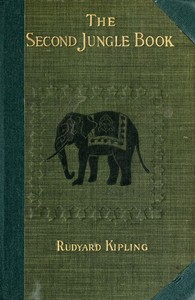
The Second Jungle Book
Written by Rudyard Kipling
Chaptra reads alongside you — AI insights, chapter breakdowns and reader discussions for every book. Join free
About this book
Reading guide
Themes, characters and key ideas in The Second Jungle Book, written by Chaptra AI.
- about 8 hours
- intermediate
- adventurous
- philosophical
- nostalgic
Rudyard Kipling's "The Second Jungle Book" continues the captivating saga of Mowgli, the 'man-cub' raised by wolves, delving deeper into his unique existence within the animal kingdom. This collection of stories explores Mowgli's evolving understanding of the strict yet vital 'Law of the Jungle,' his ongoing struggle with his dual identity as both human and animal, and his ultimate confrontation with the human world. Through episodic adventures, the book masterfully weaves tales of survival, loyalty, and the intricate balance of nature, often set against the backdrop of challenging environmental conditions like severe drought. It serves as a poignant exploration of belonging, the consequences of fear, and the inevitable transition from childhood innocence to the complexities of adulthood.
“"Now, by the Law of the Jungle, and it is a very old Law, he that lays a hand on a man-cub is a dead Dog. It is a man-cub! I have said it."”
Key themes
- The Law of the Jungle
- This theme is central to the entire Jungle Book series. It represents a strict, yet ultimately benevolent, code of conduct that governs the lives of the animals, ensuring order, survival, and the balance of the ecosystem. It dictates hunting practices, respect for life, and the consequences of lawlessness. Mowgli's understanding and often enforcement of this Law highlight its importance.
- Identity and Belonging
- Mowgli's core struggle is his dual nature – a human raised by animals. This theme explores his search for where he truly belongs, constantly navigating the instincts and laws of the jungle against the latent call of his human heritage. It's a journey of self-discovery, culminating in his acceptance of his human identity.
- Nature vs. Civilization (Humanity)
- This theme contrasts the raw, often brutal, but ultimately ordered and ethical world of the jungle with the perceived chaos, greed, and destructiveness of human civilization. The jungle, under the Law, is often presented as morally superior to the human world, which is driven by avarice and fear.
Worth discussing
How does Kipling define the 'Law of the Jungle,' and what are its core tenets? How does it compare to human laws?
Chapter-by-chapter breakdowns, character arcs and the full thematic analysis come with a free account.
Discussions
No one has started one yet
Questions this book opens up
No discussions yet
Be the first to start a discussion about this book!
Sign up to start the discussionReviews
No reviews yet
Be the first to review this book!