
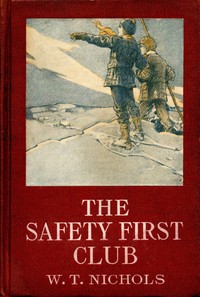
The Safety First Club
Written by William Theophilus Nichols
Chaptra reads alongside you — AI insights, chapter breakdowns and reader discussions for every book. Join free
About this book
Reading guide
Themes, characters and key ideas in The Safety First Club, written by Chaptra AI.
- about 8 hours
- intermediate
- serious
- introspective
- guilty
William Theophilus Nichols' "The Safety First Club" is an early 20th-century novel centered on the moral awakening of Sam Parker, a young man grappling with the harsh realities of impulsive actions. The story begins with Sam's eager, yet reckless, pursuit of a hunting day, which culminates in a devastating accident where he inadvertently shoots a man, mistaking him for game. Plagued by fear and guilt, Sam faces a profound moral dilemma when an innocent, undesirable town character, Peter Groche, is wrongly accused of the crime. The novel thus explores themes of recklessness, the heavy burden of guilt, the complexities of justice, and Sam's arduous journey toward redemption and maturity.
“The weight of the gun felt heavier than any deer I hoped to carry home; it was the weight of a terrible mistake.”
Key themes
- Recklessness and its Consequences
- This is the foundational theme of the novel. Sam's impulsive decision to take his father's gun and hunt, despite prior misfortunes and a lack of proper caution, directly leads to the tragic accident. The narrative meticulously explores the far-reaching and devastating consequences of such thoughtless actions, moving beyond the physical event to delve into the psychological and moral aftermath for Sam.
- Guilt and Redemption
- Central to Sam's character development, this theme explores the profound psychological burden of guilt following his accidental crime. His internal struggle between fear of punishment and the moral imperative to confess and clear an innocent man drives much of the narrative. The 'search for redemption' highlights his journey towards atonement and moral clarity.
- Moral Development and Coming of Age
- The novel is fundamentally a coming-of-age story, charting Sam's transformation from an impulsive teenager to a young man grappling with profound moral dilemmas. His journey through guilt, fear, and the eventual pursuit of redemption signifies a crucial stage in his moral development, where he learns the true meaning of responsibility and integrity.
Worth discussing
Discuss the immediate and long-term consequences of Sam's impulsive decision to go hunting. How does his initial idealism clash with the harsh reality of the accident?
Chapter-by-chapter breakdowns, character arcs and the full thematic analysis come with a free account.
Discussions
No one has started one yet
Questions this book opens up
No discussions yet
Be the first to start a discussion about this book!
Sign up to start the discussionReviews
No reviews yet
Be the first to review this book!