
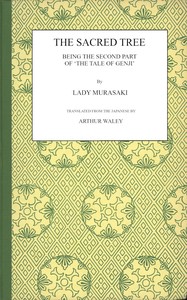
The sacred tree : $b Being the second part of 'The tale of Genji'
Written by Murasaki Shikibu
Chaptra reads alongside you — AI insights, chapter breakdowns and reader discussions for every book. Join free
About this book
Reading guide
Themes, characters and key ideas in The sacred tree : $b Being the second part of 'The tale of Genji', written by Chaptra AI.
- about 8 hours
- advanced
- melancholy
- romantic
- introspective
In "The Sacred Tree," the tenth chapter of Murasaki Shikibu's epic, 'The Tale of Genji,' the narrative deepens its exploration of Prince Genji's complex romantic life, focusing intensely on his relationship with Lady Rokujō. As Rokujō prepares for her daughter's departure to become a Vestal Virgin, she grapples with profound despair and the lingering pain of her past with Genji, whose neglect has fueled her intense jealousy and suffering. Genji, moved by the beauty of autumn and a sense of nostalgia, seeks to reconcile with Rokujō, leading to a poignant, emotionally charged reunion behind a screen. This encounter reignites their complicated feelings, yet it also underscores the insurmountable challenges posed by their history, societal expectations, and the karmic consequences of their love, setting the stage for future emotional and spiritual turmoil.
“"The world is a place of such transient beauty, and yet we cling to its fleeting joys and sorrows with such tenacity."”
Key themes
- Mono no Aware (The Pathos of Things)
- This theme, central to Japanese aesthetics, refers to the poignant awareness of the transience of life and the beauty of its fleeting nature. It is evoked through observations of changing seasons, the impermanence of human relationships, and the melancholy that accompanies beauty's inevitable decay.
- Love, Loss, and Jealousy
- At its heart, "The Sacred Tree" is a profound exploration of the multifaceted nature of love – its joys, its pains, and its destructive potential. The chapter delves into the agony of unrequited love, the bitterness of loss, and the consuming power of jealousy, particularly through the character of Lady Rokujō.
- Karma and Retribution
- The concept of karma, or the inevitable consequences of one's actions from past and present lives, is a powerful underlying force. Genji's numerous romantic entanglements and his often-careless treatment of women lead to emotional and spiritual repercussions, most notably seen in the suffering of Lady Rokujō and its subsequent manifestations.
Worth discussing
How does Murasaki Shikibu use the concept of 'mono no aware' to explore the themes of impermanence and beauty in "The Sacred Tree"?
Chapter-by-chapter breakdowns, character arcs and the full thematic analysis come with a free account.
Discussions
No one has started one yet
Questions this book opens up
No discussions yet
Be the first to start a discussion about this book!
Sign up to start the discussionReviews
No reviews yet
Be the first to review this book!