
Chaptra

The AI reading companion for people who take books seriously

AI insights, chapter breakdowns, community discussions — all in one place.

Join free
Book0 • 300+ pages • 5+ hours reading time

The Russian Opera

4.6/5
257 readers on Chaptra have this book

About this book

"The Russian Opera" by Rosa Newmarch is a historical account written in the early 20th century. The work broadly discusses the development and evolution of national opera in Russia, focusing on composers such as Glinka, Rimsky-Korsakov, and Tchaikovsky, among others. It seeks to illuminate the cultural and musical backdrop against which these operas were created, providing insights into the influences and challenges faced by Russian composers throughout history. The opening of the book establishes the groundwork for understanding the complex history of music in Russia, detailing how early primitive music of the Slavs evolved amidst oppression and repression from church authorities. Newmarch introduces key historical figures and cultural movements that shaped Russian music, tracing the roots from the primitive traditions to the establishment of national opera as a legitimate art form. This opening highlights the conflict between natural artistic impulse and authoritative repression, setting the stage for a deeper exploration of significant composers and their works in subsequent chapters.
Language
English
Publisher
Project Gutenberg
Release date
Unknown
Downloads
466

More by Rosa Newmarch

Browse all books by this author
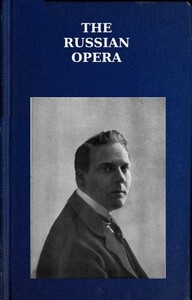
Cover of The Russian Opera

Click "Read now" to open in our Reader with AI features.

Community Discussions

Join the conversation about this book

Discussions

0 discussions

Join

No discussions yet

Be the first to start a discussion about this book!

Sign up to start the discussion

AI-Powered Insights

A clearer way to understand The Russian Opera through themes, characters, and key ideas

This reading guide highlights what stands out in The Russian Opera through 3 core themes, 3 character profiles. It is meant to help readers decide whether the book fits their taste and deepen the reading once they begin.

AI Reading GuidePreview

About this book

A quick AI guide to “The Russian Opera

Get the shape of the book before you commit: what it is about, what mood it carries, and what ideas readers tend to stay with afterward.

~12h readadvancedInformativeScholarlyHistorical

What the book is doing

Rosa Newmarch's "The Russian Opera" offers a foundational historical account of the development and evolution of national opera in Russia, published in the early 20th century. The work meticulously traces Russian operatic traditions from primitive Slavic music, highlighting the oppressive influence of church authorities on early artistic expression. Newmarch systematically examines the contributions of pivotal composers such as Glinka, Rimsky-Korsakov, and Tchaikovsky, contextualizing their works within the broader cultural and political landscape. It delves into the unique challenges and influences that shaped Russian composers, establishing how a distinct national operatic identity emerged despite historical repression. The book ultimately illuminates the journey from nascent musical impulses to the establishment of Russian opera as a legitimate and globally recognized art form.

Key Themes

National Identity in Art

This theme explores how Russian composers consciously and unconsciously sought to create an operatic tradition distinct from Western European models, reflecting the unique history, folklore, and spirit of the Russian people. Newmarch meticulously traces the efforts to integrate folk melodies, historical narratives, and indigenous musical forms into a 'national' style.

Artistic Struggle and Repression

Newmarch highlights the continuous challenges faced by Russian musicians, from the early suppression of secular music by the Orthodox Church to the difficulties of establishing a professional musical infrastructure and gaining recognition amidst foreign domination and internal skepticism. This theme underscores the resilience required to foster a national artistic tradition.

A line worth noting
The inherent conflict between the primitive artistic impulse and the authoritative repression of the Church forms the bedrock of Russia's musical struggle.
A good discussion starter

How did the early repression of primitive Slavic music by church authorities influence the subsequent development of Russian national opera?

Unlock the full reading guide

See chapter-by-chapter takeaways, deeper character arcs, and a fuller literary analysis built around this book.

Unlock full AI analysis for “The Russian Opera

Chapter breakdowns, character deep-dives, and thematic analysis — all in one place.

Reader Reviews

See what others are saying

Reviews

Overall Rating

4.6
2185 ratings

Based on community ratings

No reviews yet

Be the first to review this book!

Readers Also Enjoyed

Discover more books similar to The Russian Opera