
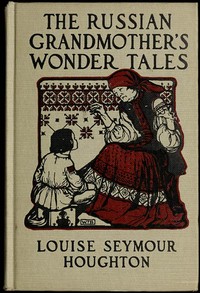
The Russian Grandmother's Wonder Tales
Written by Louise Seymour Houghton,Friedrich S. (Friedrich Salomo) Krauss
Chaptra reads alongside you — AI insights, chapter breakdowns and reader discussions for every book. Join free
About this book
Reading guide
Themes, characters and key ideas in The Russian Grandmother's Wonder Tales, written by Chaptra AI.
- about 8 hours
- intermediate
- humorous
- whimsical
- charming
Louise Seymour Houghton's "The Russian Grandmother's Wonder Tales," co-authored with Friedrich S. Krauss, is a charming early 20th-century collection of Slavic folklore presented through a heartwarming frame narrative. A wise Russian grandmother shares these tales with her curious grandson, intertwining them with vivid descriptions of peasant life and a distinct Slavic humor. The stories primarily feature anthropomorphic animal characters like Isegrim the Wolf and Reinecke the Fox, whose adventures serve as allegories for human nature, folly, and the enduring power of wit and morality. This collection not only entertains but also subtly imparts timeless lessons, preserving cultural heritage through the intimate act of storytelling across generations.
“"Come, little one, draw closer to the fire, and I shall spin a tale as fine as this wool from the sheep's back."”
Key themes
- Human Nature and Folly
- Explored primarily through the anthropomorphic animal characters, this theme examines universal human traits such as greed, vanity, pride, and naivety. The animals' adventures and misadventures serve as allegories for the recurring patterns of human behavior and the consequences of one's character flaws.
- The Power of Storytelling and Oral Tradition
- The frame narrative itself is a testament to this theme, showcasing how stories are passed down through generations, preserving cultural heritage and imparting wisdom. The act of the grandmother spinning wool while telling tales emphasizes the intimate, tangible nature of oral tradition.
- Moral and Ethical Lessons
- Each wonder tale, while entertaining, subtly conveys a moral or ethical lesson. These lessons often revolve around themes of justice, consequences, the value of honesty, the dangers of greed, and the triumph of wit over brute force. The grandmother often provides gentle commentary to reinforce these morals.
Worth discussing
How does the frame narrative involving the grandmother and grandson enhance the experience of reading these tales?
Chapter-by-chapter breakdowns, character arcs and the full thematic analysis come with a free account.
Discussions
No one has started one yet
Questions this book opens up
No discussions yet
Be the first to start a discussion about this book!
Sign up to start the discussionReviews
No reviews yet
Be the first to review this book!