
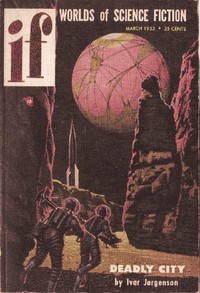
The Rotifers
Written by Robert Abernathy
Chaptra reads alongside you — AI insights, chapter breakdowns and reader discussions for every book. Join free
About this book
Reading guide
Themes, characters and key ideas in The Rotifers, written by Chaptra AI.
- about 1 hours
- intermediate
- eerie
- mysterious
- suspenseful
Robert Abernathy's 1950s science fiction short story, "The Rotifers," delves into the unsettling consequences of scientific curiosity through the lens of a father-son relationship. Henry Chatham gifts his son, Harry, a microscope, unwittingly initiating an obsession with the microscopic rotifers inhabiting freshwater. Harry's fascination morphs into a feverish conviction that these tiny organisms possess a malevolent intelligence and harbor sinister designs against humanity. The narrative escalates into a frantic race against time as Henry must confront the unseen threat and protect his son, forcing readers to question the boundaries of human understanding and the dangers lurking in the smallest corners of existence.
“"The world beneath the lens... it's not just alive, Father. It's *aware*."”
Key themes
- The Unseen Threat / Fear of the Unknown
- The central horror of the story stems from the idea that humanity is vulnerable to dangers that are too small to perceive, too alien to comprehend, and too numerous to fight. The rotifers embody the ultimate 'other' – an enemy that exists all around us, unnoticed, until it decides to act.
- The Perils of Unchecked Curiosity / Scientific Hubris
- The story directly explores the idea that delving too deeply into the unknown, even with scientific intent, can unearth terrifying truths that humanity is unprepared for. Henry's gift of a microscope, meant to foster learning, inadvertently opens a Pandora's Box, suggesting that some mysteries are best left undisturbed.
- Parental Love and Protection
- At its core, the story is driven by Henry's desperate love for his son. His initial skepticism gives way to frantic action, not just because of the perceived global threat, but primarily to protect Harry, who he believes is either gravely ill or directly endangered by his discovery.
Worth discussing
How does the story explore the dangers of unchecked scientific curiosity? Is curiosity inherently dangerous?
Chapter-by-chapter breakdowns, character arcs and the full thematic analysis come with a free account.
Discussions
No one has started one yet
Questions this book opens up
No discussions yet
Be the first to start a discussion about this book!
Sign up to start the discussionReviews
No reviews yet
Be the first to review this book!