
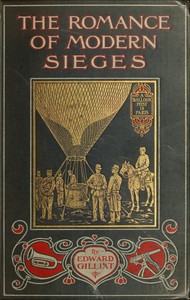
The Romance of Modern Sieges: Describing the personal adventures, resource and daring of besiegers and beseiged in all parts of the world
Written by Edward Gilliat
Chaptra reads alongside you — AI insights, chapter breakdowns and reader discussions for every book. Join free
About this book
Reading guide
Themes, characters and key ideas in The Romance of Modern Sieges: Describing the personal adventures, resource and daring of besiegers and beseiged in all parts of the world, written by Chaptra AI.
- about 12 hours
- intermediate
- Historical
- Gritty
- Inspiring
Edward Gilliat's "The Romance of Modern Sieges" is an early 20th-century historical account that delves into the dramatic narratives of various sieges across history. The book meticulously details the personal experiences, strategic ingenuity, and unwavering courage displayed by both the attacking and defending forces. Through vivid descriptions, Gilliat blends military strategy with the profound human emotions and daily struggles inherent in prolonged conflict, offering a compelling look at how individuals and communities endure extreme duress. The initial chapters, focusing on the Siege of Gibraltar (1779-1782), exemplify the book's approach, highlighting the dire conditions of starvation and bombardment, while also capturing moments of unexpected heroism and even humor amidst the chaos, setting the stage for a broader exploration of human resilience under siege.
“In the crucible of siege, the true mettle of man is forged, not merely in steel, but in the unyielding spirit against starvation and shot.”
Key themes
- Human Resilience and Endurance
- This theme is central to the entire book, showcasing the extraordinary capacity of individuals and groups to withstand extreme hardship, deprivation, and constant danger. Gilliat illustrates how soldiers and civilians alike push past their physical and psychological limits, finding inner strength and determination in the face of overwhelming adversity. This is evident in their ability to endure starvation, relentless bombardment, and the loss of life, yet continue to fight, innovate, and maintain hope.
- The Brutality and Reality of War
- Despite the 'romance' in the title, Gilliat does not shy away from depicting the harsh realities of warfare. The book vividly portrays the physical suffering, psychological trauma, and widespread destruction caused by sieges. It details the horrors of starvation, disease, constant fear, and the devastation wrought by artillery, reminding readers of the grim consequences of conflict for both combatants and non-combatants.
- Strategic Ingenuity and Resourcefulness
- Sieges, by their nature, demand extraordinary strategic thinking and resourcefulness from both besiegers and besieged. Gilliat highlights the innovative military tactics, engineering solutions, and logistical challenges faced by commanders. The book celebrates the cleverness employed in defense, such as constructing new fortifications, managing scarce resources, and devising counter-attacks, as well as the strategic brilliance of the attacking forces.
Worth discussing
How does Gilliat's use of 'romance' in the title shape the reader's perception of warfare, and does it detract from the grim realities he also describes?
Chapter-by-chapter breakdowns, character arcs and the full thematic analysis come with a free account.
Discussions
No one has started one yet
Questions this book opens up
No discussions yet
Be the first to start a discussion about this book!
Sign up to start the discussionReviews
No reviews yet
Be the first to review this book!