
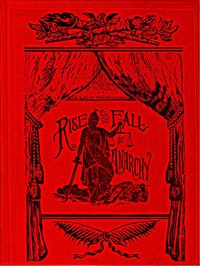
The Rise and Fall of Anarchy in America: From its Incipient Stage to the First Bomb Thrown in Chicago
Written by George N. McLean
Chaptra reads alongside you — AI insights, chapter breakdowns and reader discussions for every book. Join free
About this book
Reading guide
Themes, characters and key ideas in The Rise and Fall of Anarchy in America: From its Incipient Stage to the First Bomb Thrown in Chicago, written by Chaptra AI.
- about 8 hours
- intermediate
- turbulent
- historical
- somber
George N. McLean's "The Rise and Fall of Anarchy in America" is a late 19th-century historical account meticulously tracing the origins and escalation of anarchism in the United States, culminating in the infamous Haymarket Massacre. The book delves into the socio-political climate of 1880s Chicago, highlighting the fertile ground for radical ideologies amidst labor unrest and societal tensions. McLean scrutinizes the beliefs and actions of key anarchist figures like August Spies and A. R. Parsons, portraying the growing confrontation between labor movements and law enforcement. Ultimately, it offers a detailed narrative of the conspiracy, the violent clash, and the subsequent legal battles that left a profound impact on American society and governance.
“"The air of Chicago in the 1880s was thick with the dust of industry and the ferment of discontent."”
Key themes
- Anarchy vs. Order
- This is the central ideological conflict explored, detailing how the anarchist vision of a stateless society clashed fundamentally with the established social, economic, and governmental order of late 19th-century America. McLean likely portrays anarchy as a dangerous, destructive force threatening civilization, while the state represents the necessary bulwark against chaos.
- Labor Rights and Social Justice
- While the book focuses on anarchy, it implicitly or explicitly details the underlying grievances that fueled radicalism: exploitative labor practices, long hours, low wages, and dangerous working conditions. The struggle for an eight-hour workday and fair treatment for workers forms the crucial backdrop against which anarchist sentiments gained traction.
- The Nature of Justice and Law
- The legal aftermath of the Haymarket Massacre, particularly the trials and convictions, forces an examination of what constitutes justice. McLean's account, while historical, implicitly or explicitly raises questions about due process, the influence of public opinion on legal proceedings, and whether the law served justice or merely upheld the existing power structure.
Worth discussing
How does McLean's account reflect the prevailing fears and biases of late 19th-century America regarding radical political movements?
Chapter-by-chapter breakdowns, character arcs and the full thematic analysis come with a free account.
Discussions
No one has started one yet
Questions this book opens up
No discussions yet
Be the first to start a discussion about this book!
Sign up to start the discussionReviews
No reviews yet
Be the first to review this book!