
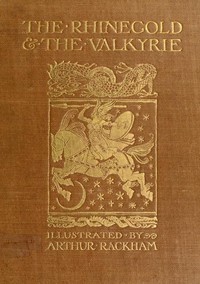
The Rhinegold & The Valkyrie: The Ring of the Niblung, part 1
Written by Richard Wagner
Chaptra reads alongside you — AI insights, chapter breakdowns and reader discussions for every book. Join free
About this book
Reading guide
Themes, characters and key ideas in The Rhinegold & The Valkyrie: The Ring of the Niblung, part 1, written by Chaptra AI.
- about 8 hours
- advanced
- epic
- tragic
- mythic
Richard Wagner's "The Rhinegold & The Valkyrie" comprises the first two parts (Das Rheingold and Die Walküre) of his epic opera cycle, "Der Ring des Nibelungen," delving into a mythic world of gods, giants, dwarves, and mortals. It commences with the dwarf Alberich's theft of the Rhinegold, a magical treasure, and his subsequent forging of a powerful, cursed ring after forswearing love. The narrative then follows the gods' desperate attempts to reclaim the gold, leading Wotan, king of the gods, into a web of contracts and betrayals that ultimately threaten his power and the divine order. The second part introduces the human heroes Siegmund and Sieglinde, Wotan's children, and his favored Valkyrie daughter, Brünnhilde, as the god struggles with the consequences of his actions and the burgeoning forces of destiny and love that defy his will, setting the stage for the downfall of the old world.
“"The gold is mine! My curse will cling to it!" - Alberich (Das Rheingold)”
Key themes
- The Corrupting Nature of Power and Gold
- This theme is central, showing how the desire for power, symbolized by the Rhinegold and the Ring, leads to moral decay, betrayal, and suffering for gods, dwarves, and mortals alike. Alberich renounces love for power, Wotan compromises his integrity for it, and Fafner murders his brother over it. The Ring's curse ensures that its possession brings only misery and destruction.
- Love vs. Power/Law
- A fundamental conflict woven throughout both parts. Alberich's initial act is to renounce love for power. Wotan's actions are driven by a desire to maintain power, often at the expense of love or compassion. Conversely, the purest forms of love (Siegmund and Sieglinde's, Brünnhilde's empathy) directly challenge the established laws and power structures, ultimately leading to their destruction or transformation.
- Fate, Free Will, and the Decline of the Gods
- The narrative explores the extent to which characters, even gods, are bound by prophecy, curses, and their own past actions versus their capacity for free choice. Wotan's attempts to circumvent his fate only entangle him further, while Brünnhilde's act of defiance suggests a glimmer of free will that can alter destiny, even if it brings severe consequences. The gods' power is shown to be eroding due to their own moral failings, foreshadowing their eventual downfall.
Worth discussing
How does the renunciation of love by Alberich set the foundational conflict for the entire cycle?
Chapter-by-chapter breakdowns, character arcs and the full thematic analysis come with a free account.
Discussions
No one has started one yet
Questions this book opens up
No discussions yet
Be the first to start a discussion about this book!
Sign up to start the discussionReviews
No reviews yet
Be the first to review this book!