
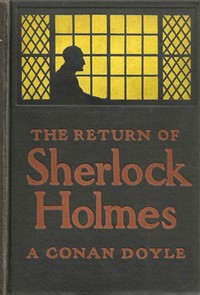
The Return of Sherlock Holmes
Written by Arthur Conan Doyle
Chaptra reads alongside you — AI insights, chapter breakdowns and reader discussions for every book. Join free
About this book
Reading guide
Themes, characters and key ideas in The Return of Sherlock Holmes, written by Chaptra AI.
- about 10 hours
- intermediate
- mysterious
- analytical
- suspenseful
Following his apparent death at Reichenbach Falls, "The Return of Sherlock Holmes" chronicles the miraculous reappearance of the world's greatest consulting detective. This collection of thirteen short stories, narrated by Dr. Watson, plunges Holmes back into a series of intricate and often baffling cases, from decoding cryptic messages to unraveling complex murder plots. The book re-establishes Holmes's unparalleled deductive prowess and intellectual superiority, while also exploring the enduring bond of friendship between Holmes and Watson. It serves as a triumphant revival of the beloved character, cementing his legendary status in the annals of crime fiction.
“"Data! Data! Data! I can't make bricks without clay."”
Key themes
- Reason and Deduction
- This is the cornerstone of Sherlock Holmes's character and the driving force behind every mystery. The theme explores the power of logical thought, meticulous observation, and the scientific method to unravel complex problems that baffle conventional minds. Holmes consistently demonstrates how careful analysis of seemingly insignificant details can lead to profound truths.
- Justice and Morality
- The collection frequently explores the complexities of justice, often showcasing Holmes operating outside the strict confines of the law to achieve what he perceives as a morally correct outcome. Doyle examines the nuances between legal justice and true justice, sometimes portraying characters who commit crimes but are driven by understandable, if not justifiable, circumstances.
- Deception and Appearances
- Many of the mysteries hinge on characters presenting false fronts, using disguises, or creating elaborate deceptions to mislead others. Holmes's genius lies in seeing through these illusions to uncover the hidden truths. The theme highlights how easily people can be fooled by what they see and hear, and the difficulty of discerning reality from carefully constructed facades.
Worth discussing
How does Holmes's 'resurrection' in "The Empty House" impact his character and the series as a whole?
Chapter-by-chapter breakdowns, character arcs and the full thematic analysis come with a free account.
Discussions
No one has started one yet
Questions this book opens up
No discussions yet
Be the first to start a discussion about this book!
Sign up to start the discussionReviews
No reviews yet
Be the first to review this book!