
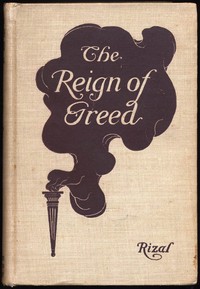
The Reign of Greed
Written by José Rizal
Chaptra reads alongside you — AI insights, chapter breakdowns and reader discussions for every book. Join free
About this book
Reading guide
Themes, characters and key ideas in The Reign of Greed, written by Chaptra AI.
- about 15 hours
- advanced
- dark
- somber
- critical
José Rizal's "The Reign of Greed," or "El filibusterismo," serves as a darker, more disillusioned sequel to "Noli Me Tángere," charting the escalating socio-political turmoil in the Philippines under late Spanish colonial rule. The narrative follows a disguised Crisostomo Ibarra, now the enigmatic Simoun, as he attempts to instigate a revolution, reflecting Rizal's shift from reformist ideals to a more radical, albeit tragic, vision for liberation. Through a tapestry of interconnected lives, the novel exposes the pervasive corruption, hypocrisy of the clergy, and the deep-seated injustices faced by Filipinos, ultimately culminating in a series of personal and collective tragedies that underscore the futility of both gradual reform and violent uprising in a corrupt system. It stands as a powerful indictment of colonial oppression and a profound exploration of national identity and the cost of freedom.
“"Where are the youth who will consecrate their golden hours, their illusions, and their enthusiasm to the welfare of their native land?"”
Key themes
- Colonial Oppression and Injustice
- The novel is a scathing critique of the Spanish colonial regime in the Philippines, detailing the rampant corruption, abuse of power by friars and officials, and the systemic injustices faced by Filipinos. It exposes the lack of due process, land grabbing, forced labor, and the suppression of intellectual freedom.
- The Futility of Reform vs. The Perils of Revolution
- This is a central thematic conflict. Rizal explores the failure of peaceful, gradual reforms (as championed by the students and Isagani) to bring about meaningful change, while also questioning the moral and practical efficacy of violent revolution (as orchestrated by Simoun). The novel suggests that neither path, in isolation or under present conditions, guarantees true liberation.
- National Identity and Self-Determination
- The novel delves into what it means to be Filipino under colonial rule. It critiques Filipinos who have assimilated or become complacent, while also celebrating those who strive for a distinct national identity and self-governance. It questions whether Filipinos are ready for independence and what kind of nation they would build.
Worth discussing
How does "El filibusterismo" reflect Rizal's evolving views on reform and revolution compared to "Noli Me Tángere"?
Chapter-by-chapter breakdowns, character arcs and the full thematic analysis come with a free account.
Discussions
No one has started one yet
Questions this book opens up
No discussions yet
Be the first to start a discussion about this book!
Sign up to start the discussionReviews
No reviews yet
Be the first to review this book!