
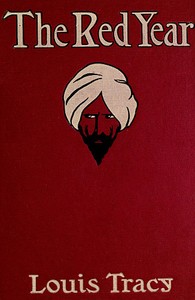
The Red Year: A Story of the Indian Mutiny
Written by Louis Tracy
Chaptra reads alongside you — AI insights, chapter breakdowns and reader discussions for every book. Join free
About this book
Reading guide
Themes, characters and key ideas in The Red Year: A Story of the Indian Mutiny, written by Chaptra AI.
- about 8 hours
- intermediate
- dramatic
- tense
- historical
Louis Tracy's "The Red Year" is a historical novel set amidst the tumultuous Indian Rebellion of 1857, offering a dramatic portrayal of the clash between British colonial power and the simmering discontent among Indian sepoys. The narrative centers on Frank Malcolm, a British officer, and Winifred Mayne, whose burgeoning romance and personal struggles unfold against a backdrop of escalating violence and chaos, particularly after the Meerut uprising. The story vividly captures the initial sparks of the mutiny, stemming from caste issues and military cartridges, and follows the characters as they navigate the brutal realities of the rebellion. Through their experiences, Tracy explores themes of duty, survival, racial tension, and the human cost of imperial conflict, painting a picture of a pivotal moment in colonial history from a predominantly British perspective.
“"The air itself seemed to crackle with an unseen tension, a silence more terrifying than any battle cry, for it spoke of a storm yet to break."”
Key themes
- Colonialism and its Discontents
- The central theme exploring the inherent tensions and ultimate breakdown of British colonial rule in India. The novel illustrates how cultural insensitivity (greased cartridges), perceived injustices, and the vast power imbalance inevitably lead to violent rebellion. It examines the British perspective of their 'civilizing mission' clashing with the realities of subjugation and native resistance.
- Duty, Courage, and Survival
- This theme explores the unwavering commitment to one's role and country, even in the face of overwhelming danger and despair. It manifests in the British characters' determination to uphold order, protect one another, and survive against incredible odds. It also touches upon the moral dilemmas faced when duty conflicts with personal safety or compassion.
- Racial and Cultural Conflict
- The novel vividly portrays the deep chasm and misunderstanding between British colonizers and the various Indian populations. It depicts the clash of cultures, religions, and social structures, often leading to prejudice, fear, and violence. While likely from a British perspective, it implicitly shows how these divides fueled the rebellion.
Worth discussing
How does Tracy's novel reflect and perhaps perpetuate the colonial attitudes prevalent in early 20th-century Britain regarding the Indian Mutiny?
Chapter-by-chapter breakdowns, character arcs and the full thematic analysis come with a free account.
Discussions
No one has started one yet
Questions this book opens up
No discussions yet
Be the first to start a discussion about this book!
Sign up to start the discussionReviews
No reviews yet
Be the first to review this book!