
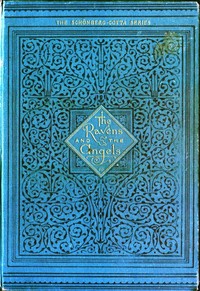
The Ravens and the Angels, with Other Stories and Parables
Written by Elizabeth Rundle Charles
Chaptra reads alongside you — AI insights, chapter breakdowns and reader discussions for every book. Join free
About this book
Reading guide
Themes, characters and key ideas in The Ravens and the Angels, with Other Stories and Parables, written by Chaptra AI.
- about 8 hours
- intermediate
- Uplifting
- Poignant
- Hopeful
Elizabeth Rundle Charles's "The Ravens and the Angels" is a poignant late 19th-century collection, centering on the titular story of Magdalis, a widowed mother in medieval times struggling with poverty and hunger. The narrative beautifully explores themes of faith, hope, and divine provision through the eyes of her young son, Gottlieb, who grapples with his own hunger while striving to embody angelic generosity. His hopeful prayer for sustenance, reminiscent of biblical tales, sets a deeply spiritual and emotional tone, leading to an eventual, providential involvement with the cathedral choir. This tale, alongside other parables, reflects on the enduring power of love, sacrifice, and the belief that goodness and compassion can illuminate even the darkest adversities.
“Though our cupboards be bare, our hearts are full of love, and that is a treasure no hunger can diminish.”
Key themes
- Faith and Divine Providence
- The central theme, exploring the unwavering belief in God's care and intervention, even in dire circumstances. Gottlieb's prayer for bread from ravens directly invokes this theme, suggesting that divine provision often manifests through unexpected means or through the kindness of others.
- Love and Sacrifice
- Explores the profound acts of love and selflessness, particularly within a family. Magdalis's tireless efforts to protect and nourish her children, and Gottlieb's internal struggle and ultimate decision to save the last piece of bread for his sister, are prime examples of this theme.
- Hope Amidst Adversity
- The overarching message of the story, emphasizing that even in the darkest times, hope can emerge, often through acts of compassion, faith, or unexpected opportunities. The choir's involvement symbolizes this newfound hope.
Worth discussing
How does the story portray the concept of 'divine provision,' and how is it linked to human actions?
Chapter-by-chapter breakdowns, character arcs and the full thematic analysis come with a free account.
Discussions
No one has started one yet
Questions this book opens up
No discussions yet
Be the first to start a discussion about this book!
Sign up to start the discussionReviews
No reviews yet
Be the first to review this book!