
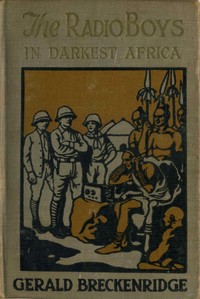
The Radio Boys in Darkest Africa
Written by Gerald Breckenridge
Chaptra reads alongside you — AI insights, chapter breakdowns and reader discussions for every book. Join free
About this book
Reading guide
Themes, characters and key ideas in The Radio Boys in Darkest Africa, written by Chaptra AI.
- about 7 hours
- intermediate
- adventurous
- resourceful
- courageous
Gerald Breckenridge's "The Radio Boys in Darkest Africa" is an early 20th-century adventure novel following three ingenious American boys—Jack Hampton, Frank Merrick, and Bob Temple—as they navigate the challenges of British East Africa. The story opens with the boys using their radio technology and cleverness to save their Kikuyu friend, Wimba, from an unjust murder trial orchestrated by Chief Ruku-Ru, creating the illusion of a supernatural voice. This daring act sets the stage for further escapades, highlighting their resourcefulness and the power of their friendship amidst a foreign and often perilous landscape. The narrative explores themes of loyalty, the clash between technological advancement and traditional beliefs, and the broader implications of colonial encounters, all wrapped in a thrilling, albeit dated, adventure. The boys' adventures solidify their bond and showcase their determination to uphold justice.
“"Our radio isn't just a toy, Wimba; it's a tool for justice!"”
Key themes
- Friendship and Loyalty
- The unwavering bond between Jack, Frank, and Bob, and their loyalty to Wimba, forms the emotional core of the novel. Their willingness to risk everything for a friend, even across cultural divides, is a central driving force for the plot and a key message about human connection.
- Ingenuity and Technology vs. Tradition
- This theme explores the power of human cleverness and the transformative, sometimes manipulative, potential of technology when introduced into a traditional society. The radio acts as a symbol of Western scientific advancement, used to overcome what is presented as superstitious or rigid traditional law.
- Justice and Injustice
- The central conflict of Wimba's trial directly addresses themes of fairness, the rule of law, and the struggle against perceived injustice. The boys' actions are driven by a strong sense of moral right, contrasting with what they see as the arbitrary or cruel application of traditional law.
Worth discussing
How does the book portray the relationship between Western technology and traditional African cultures? Is this portrayal fair or problematic?
Chapter-by-chapter breakdowns, character arcs and the full thematic analysis come with a free account.
Discussions
No one has started one yet
Questions this book opens up
No discussions yet
Be the first to start a discussion about this book!
Sign up to start the discussionReviews
No reviews yet
Be the first to review this book!