
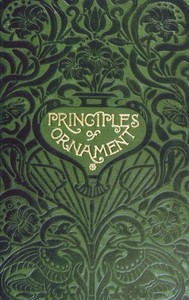
The Principles of Ornament
Written by James Ward
Chaptra reads alongside you — AI insights, chapter breakdowns and reader discussions for every book. Join free
About this book
Reading guide
Themes, characters and key ideas in The Principles of Ornament, written by Chaptra AI.
- about 10 hours
- advanced
- Informative
- Instructive
- Analytical
The Principles of Ornament" by James Ward, a scientific publication from the late 19th century, serves as an exhaustive guide to ornamental art. It systematically details the foundational principles, diverse methods, and historical evolution of various decorative styles. Ward emphasizes the critical role of ornamentation in architecture and design, advocating for a harmonious balance between aesthetic beauty and functional purpose. The work posits that a deep understanding of natural forms, particularly plants, is crucial for creating effective ornament that enhances, rather than conceals, the objects it adorns. The book's opening chapters establish a rigorous framework for understanding the relationship between natural inspiration and artistic representation.
“True ornament should always enhance the shapes and characteristics of the objects it decorates, rather than conceal them.”
Key themes
- The Principles of Ornamentation
- This is the core subject of the book, detailing the fundamental rules and guidelines for creating aesthetically pleasing and functionally appropriate decorative art. Ward systematically breaks down what constitutes 'good' ornament, moving beyond mere aesthetic preference to establish universal principles of design, composition, and application.
- Nature as Inspiration
- Ward strongly advocates for the meticulous study of natural forms, particularly plants, as the primary and most enduring source of inspiration for ornamental design. He posits that understanding the inherent beauty, structural integrity, and growth patterns of nature provides an inexhaustible wellspring for artistic creation, moving beyond mere imitation to thoughtful interpretation and abstraction.
- Functionality and Beauty in Design
- A central tenet of Ward's work is the imperative for the harmonious integration of beauty and functionality. He argues vehemently that ornament should not merely be applied decoratively or superficially, but should intrinsically complement and enhance the object's purpose and form. Ornament, in his view, must serve the object, making it more beautiful and often more understandable, rather than detracting from its utility or obscuring its underlying structure.
Worth discussing
How do Ward's principles of ornament, particularly the idea that ornament should enhance rather than conceal, resonate with or diverge from contemporary design philosophies?
Chapter-by-chapter breakdowns, character arcs and the full thematic analysis come with a free account.
Discussions
No one has started one yet
Questions this book opens up
No discussions yet
Be the first to start a discussion about this book!
Sign up to start the discussionReviews
No reviews yet
Be the first to review this book!