The AI reading companion for people who take books seriously
AI insights, chapter breakdowns, community discussions — all in one place.
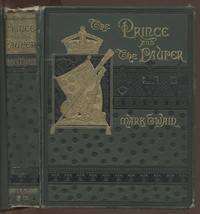
The Prince and the Pauper, Part 6.
About this book
More by Mark Twain
Browse all books by this authorExplore Social classes Books
Discover more Social classes literature
Click "Read now" to open in our Reader with AI features.
Community Discussions
Join the conversation about this book
Discussions
0 discussions
No discussions yet
Be the first to start a discussion about this book!
Sign up to start the discussionAI-Powered Insights
A clearer way to understand The Prince and the Pauper, Part 6. through themes, characters, and key ideas
This reading guide highlights what stands out in The Prince and the Pauper, Part 6. through 3 core themes, 3 character profiles, and 1 chapter-level idea. It is meant to help readers decide whether the book fits their taste and deepen the reading once they begin.
About this book
A quick AI guide to “The Prince and the Pauper, Part 6.”
Get the shape of the book before you commit: what it is about, what mood it carries, and what ideas readers tend to stay with afterward.
What the book is doing
In "The Prince and the Pauper, Part 6," Mark Twain plunges Prince Edward, mistakenly identified as a common boy, into the brutal world of London's lower classes. Stripped of his royal identity, the prince endures extreme poverty, hunger, and the harsh realities of life among vagabonds, beggars, and thieves. This segment vividly portrays his struggle for survival and his dawning realization of the systemic injustices faced by the poor. Twain masterfully uses the prince's experiences to critique the arbitrary nature of social status and the profound disparity between wealth and poverty, culminating in a poignant exploration of identity and empathy as the prince grapples with his new, cruel existence.
Key Themes
Social Class and Inequality
This is the central theme of Part 6, explored through the prince's direct experience of life at the bottom of the social hierarchy. Twain vividly contrasts the opulence of royal life with the squalor, hunger, and violence endured by the poor. The arbitrary nature of birthright is highlighted as the prince, despite his true identity, is treated no differently than any other vagabond, exposing the systemic injustices and lack of opportunity inherent in the class structure.
Identity and Self-Perception
The theme of identity is profoundly explored as the prince is stripped of all external markers of his true self. His royal identity, once unquestioned, becomes unbelievable to others, forcing him to confront who he is without the symbols of power. His struggle to assert his true self against a world that perceives him as a common boy highlights how identity is often constructed by societal perception rather than inherent truth, and how deeply one's sense of self is tied to their social role.
“"A king on a throne, a pauper in the mire; the clothes make the man, or unmake him, in the eyes of the world."”
How does the prince's experience among the vagabonds fundamentally change his understanding of justice and authority?
See chapter-by-chapter takeaways, deeper character arcs, and a fuller literary analysis built around this book.
Unlock full AI analysis for “The Prince and the Pauper, Part 6.”
Chapter breakdowns, character deep-dives, and thematic analysis — all in one place.
Reader Reviews
See what others are saying
Reviews
Overall Rating
Based on community ratings
No reviews yet
Be the first to review this book!
Readers Also Enjoyed
Discover more books similar to The Prince and the Pauper, Part 6.