Chaptra

The AI reading companion for people who take books seriously

AI insights, chapter breakdowns, community discussions — all in one place.

Join free
Book0 • 300+ pages • 5+ hours reading time

The Prince and the Pauper, Part 5.

4.9/5
169 readers on Chaptra have this book

About this book

"The Prince and the Pauper, Part 5" by Mark Twain is a historical novel originally written in the late 19th century. The book explores themes of social class and identity, focusing on the lives of two young boys—a prince and a pauper—who switch places and experience each other’s vastly different lifestyles. This narrative not only delves into the adventures that ensue from their roles but also provides critical commentary on societal norms and the human condition. In this section, Tom Canty, who is living as the king, faces the trials of his royal duties, including a public audience with foreign ambassadors and a tense dinner engagement, where every action is scrutinized. Despite his initial discomfort, he gradually grows into his role, feeling the weight of authority and compassion as he encounters individuals facing dire fates, including those accused of serious crimes. He shows an unexpected empathy for the condemned, ultimately deciding to spare them from harsh punishments based on their circumstances. This part reveals Tom's internal struggle: he longs to be free while grappling with the responsibilities of kingship and the moral complexities that accompany the power he wields.
Language
English
Publisher
Project Gutenberg
Release date
Unknown
Downloads
102

Explore Social classes Books

Discover more Social classes literature
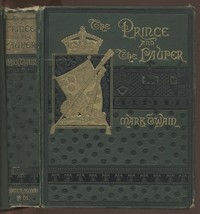
Cover of The Prince and the Pauper, Part 5.

Click "Read now" to open in our Reader with AI features.

Community Discussions

Join the conversation about this book

Discussions

0 discussions

Join

No discussions yet

Be the first to start a discussion about this book!

Sign up to start the discussion

AI-Powered Insights

A clearer way to understand The Prince and the Pauper, Part 5. through themes, characters, and key ideas

This reading guide highlights what stands out in The Prince and the Pauper, Part 5. through 4 core themes, 4 character profiles. It is meant to help readers decide whether the book fits their taste and deepen the reading once they begin.

AI Reading GuidePreview

About this book

A quick AI guide to “The Prince and the Pauper, Part 5.

Get the shape of the book before you commit: what it is about, what mood it carries, and what ideas readers tend to stay with afterward.

~8h readintermediatehumorouspoignantadventurous

What the book is doing

Mark Twain's "The Prince and the Pauper" tells the story of two boys, Edward Tudor, the Prince of Wales, and Tom Canty, a pauper from Offal Court, who are born on the same day and bear an uncanny resemblance. A chance encounter leads them to swap clothes and, inadvertently, their lives, thrusting the prince into the brutal realities of poverty and the pauper into the bewildering world of royalty. Through their separate journeys, both boys gain profound insights into the injustices of society and the true nature of power, culminating in their eventual reunion and the rightful restoration of Edward to the throne, forever changed by his experiences.

Key Themes

Identity and Appearance vs. Reality

The central theme, exploring how identity is perceived and constructed. Twain challenges the notion that clothing, status, or birthright define a person, instead suggesting that true identity lies in character and experience. The physical resemblance of Edward and Tom allows for a literal exploration of how easily outward appearances can mislead and how superficial societal judgments often are.

Social Injustice and Class Inequality

Twain uses the contrasting experiences of Edward and Tom to highlight the extreme disparities and inherent injustices of a rigidly stratified society. Edward's journey through poverty exposes him to arbitrary laws, brutal punishments, and the dehumanizing conditions faced by the poor, while Tom's experience reveals the often-empty rituals and pressures of the privileged class.

A line worth noting
"What dost thou know of suffering and hardship, that thou wouldst speak of it?" - Edward Tudor
A good discussion starter

How does the novel explore the concept of identity? What defines a person: their birth, their clothes, their experiences, or their character?

Unlock the full reading guide

See chapter-by-chapter takeaways, deeper character arcs, and a fuller literary analysis built around this book.

Unlock full AI analysis for “The Prince and the Pauper, Part 5.

Chapter breakdowns, character deep-dives, and thematic analysis — all in one place.

Reader Reviews

See what others are saying

Reviews

Overall Rating

4.9
1425 ratings

Based on community ratings

No reviews yet

Be the first to review this book!

Readers Also Enjoyed

Discover more books similar to The Prince and the Pauper, Part 5.