
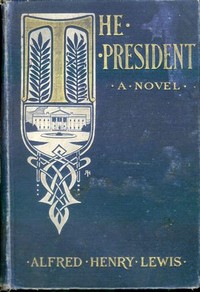
The President: A Novel
Written by Alfred Henry Lewis
Chaptra reads alongside you — AI insights, chapter breakdowns and reader discussions for every book. Join free
About this book
Reading guide
Themes, characters and key ideas in The President: A Novel, written by Chaptra AI.
- about 8 hours
- intermediate
- political
- romantic
- intriguing
Alfred Henry Lewis's "The President: A Novel" is an early 20th-century political fiction exploring the intricate dance of ambition and power within Washington's elite circles. The narrative centers on Richard Storms, a initially self-absorbed man who finds purpose through his romantic fascination with the beautiful Dorothy Harley and his entanglement in the capital's treacherous political landscape. His journey is complicated by the machinations of the calculating Senator Patrick Henry Hanway and the imposing Count Storri, setting the stage for a compelling blend of personal desire and political intrigue. The novel delves into themes of love, rivalry, and the moral complexities inherent in the pursuit of power, all against a backdrop of socio-political maneuvering. It presents a vivid portrayal of a man's awakening amidst the high stakes of national politics.
“"Washington, he reflected, was a city of whispers and shadows, where reputations were made and unmade before the morning coffee cooled."”
Key themes
- Ambition and Power
- The central theme, exploring the pursuit of power in Washington politics and its impact on individuals. It examines both the corrupting influence of ambition and its potential to drive personal growth and purpose.
- Moral Compromise and Corruption
- The novel delves into the ethical challenges faced by characters in the political arena, examining how the pursuit of power often necessitates moral compromises and can lead to corruption, both personal and systemic.
- Love and Rivalry
- This theme explores the romantic entanglement between Richard Storms and Dorothy Harley, complicated by the presence of rivals. It examines how love can be a catalyst for change and a source of conflict, often intertwined with broader ambitions.
Worth discussing
How does Richard Storms' initial self-absorption evolve throughout the novel, and what catalysts drive this change?
Chapter-by-chapter breakdowns, character arcs and the full thematic analysis come with a free account.
Discussions
No one has started one yet
Questions this book opens up
No discussions yet
Be the first to start a discussion about this book!
Sign up to start the discussionReviews
No reviews yet
Be the first to review this book!