
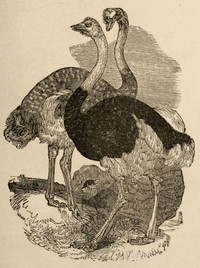
The Practical Ostrich Feather Dyer
Written by Alexander (Instructor in feather dyeing) Paul
Chaptra reads alongside you — AI insights, chapter breakdowns and reader discussions for every book. Join free
About this book
Reading guide
Themes, characters and key ideas in The Practical Ostrich Feather Dyer, written by Chaptra AI.
- about 8 hours
- intermediate
- Instructive
- Practical
- Historical
Alexander Paul's "The Practical Ostrich Feather Dyer" is a late 19th-century instructional manual dedicated to simplifying the complex art of dyeing ostrich feathers. The author, an instructor in the craft, aims to provide comprehensive and reliable recipes, demystifying the process for both novices and experienced professionals. Emphasizing practicality over technical jargon, Paul asserts that a chemistry degree is not required to achieve high-quality results. The guide also delves into the historical context of the burgeoning ostrich feather trade, acknowledging shifts in industry knowledge and traditional dyeing methods, making it a valuable historical document of a specific craft.
“One does not need to be a chemist to succeed in this craft.”
Key themes
- Mastery of Craft
- The overarching theme of the book is the pursuit and achievement of proficiency in the specialized craft of ostrich feather dyeing. It emphasizes the journey from novice to expert through clear instruction and practical application, highlighting the value of skilled workmanship.
- Practicality and Accessibility of Knowledge
- Paul explicitly champions the idea that complex technical processes can be simplified and made accessible to a broader audience without compromising quality. This theme challenges the notion that specialized skills require extensive academic background, advocating for hands-on, direct instruction.
- Industrialization and Trade Evolution
- The book subtly explores the impact of industrialization on specialized crafts and the commercial aspects of the ostrich feather trade. It documents a period of growth and change within an industry, reflecting how economic demand and technological advancements influence traditional methods and the dissemination of new practices.
Worth discussing
How does Paul's emphasis on 'practicality over technical jargon' reflect late 19th-century attitudes towards specialized trades and education?
Chapter-by-chapter breakdowns, character arcs and the full thematic analysis come with a free account.
Discussions
No one has started one yet
Questions this book opens up
No discussions yet
Be the first to start a discussion about this book!
Sign up to start the discussionReviews
No reviews yet
Be the first to review this book!