
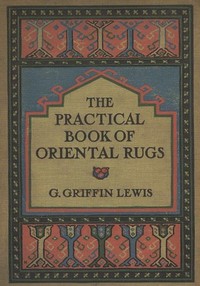
The Practical Book of Oriental Rugs
Written by G. Griffin (George Griffin) Lewis
Chaptra reads alongside you — AI insights, chapter breakdowns and reader discussions for every book. Join free
About this book
Reading guide
Themes, characters and key ideas in The Practical Book of Oriental Rugs, written by Chaptra AI.
- about 10 hours
- intermediate
- informative
- educational
- historical
Dr. G. Griffin Lewis's "The Practical Book of Oriental Rugs" serves as an authoritative and comprehensive guide for identifying, purchasing, and caring for Oriental rugs, primarily targeting collectors, dealers, and enthusiasts of the early 20th century. The book, lauded for its practical approach, emphasizes the historical and cultural significance of rug making while addressing the burgeoning American interest in these intricate textiles. Lewis meticulously updates the work with new content, including additional color plates and a focus on Chinese rugs, aiming to equip readers with reliable knowledge to navigate the complexities of the market. It functions as an indispensable resource, blending historical context with actionable advice on selection, pricing, and maintenance, ensuring quality acquisition.
“"The true beauty of an Oriental rug lies not merely in its aesthetic appeal, but in the centuries of tradition and craftsmanship woven into every fiber."”
Key themes
- Cultural Heritage and Craftsmanship
- The book deeply explores the rich historical roots and artistic traditions of rug making across various cultures. It emphasizes that each rug is not just a commodity but a testament to centuries of inherited skills, regional aesthetics, and cultural identity. Lewis highlights the intricate processes, materials, and symbolic meanings embedded in the designs, underscoring the enduring legacy of human ingenuity and artistic expression.
- Practical Knowledge and Informed Acquisition
- A core theme is the empowerment of the buyer through comprehensive, practical knowledge. Lewis aims to equip individuals with the tools to confidently navigate the complexities of rug selection, pricing, and authentication. This theme stresses the importance of education to make informed decisions, ensuring quality acquisition and preventing exploitation, thereby transforming potentially daunting transactions into rewarding experiences.
- Appreciation and Preservation
- Beyond mere acquisition, the book fosters a deeper appreciation for Oriental rugs as enduring works of art and emphasizes the responsibility of their custodians. This theme encourages readers not only to understand the rugs' origins and value but also to commit to their proper care and preservation, ensuring their longevity for future generations. It frames rug ownership as a form of stewardship.
Worth discussing
How do historical guides like Lewis's book shape our understanding and appreciation of cultural artifacts today?
Chapter-by-chapter breakdowns, character arcs and the full thematic analysis come with a free account.
Discussions
No one has started one yet
Questions this book opens up
No discussions yet
Be the first to start a discussion about this book!
Sign up to start the discussionReviews
No reviews yet
Be the first to review this book!