
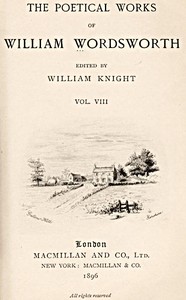
The Poetical Works of William Wordsworth — Volume 8 (of 8)
Written by William Wordsworth
Chaptra reads alongside you — AI insights, chapter breakdowns and reader discussions for every book. Join free
About this book
Reading guide
Themes, characters and key ideas in The Poetical Works of William Wordsworth — Volume 8 (of 8), written by Chaptra AI.
- about 10 hours
- intermediate
- reflective
- melancholy
- serene
This eighth and final volume of William Wordsworth's 'The Poetical Works' offers a mature collection of verse from the mid-19th century, showcasing his enduring engagement with nature, memory, and the human condition. Comprising sonnets, elegies, and reflective pieces composed between 1834 and 1837, the volume delves into themes of beauty, loss, innocence, and the profound impact of art and personal connections. Wordsworth's characteristic voice remains contemplative, drawing heavily on personal experience and a deep reverence for the English countryside, even as he grapples with the complexities of aging and mortality. It serves as a testament to his consistent poetic vision and sensitivity, providing a poignant culmination to his extensive body of work.
“The Soul that lives, the heart that loves, must know.”
Key themes
- Nature and the Sublime
- Wordsworth consistently explores nature not just as a backdrop but as a living, breathing entity that inspires, consoles, and offers profound spiritual and philosophical insights. In this volume, nature often serves as a source of solace in the face of loss and a mirror for human emotion, reflecting the poet's mature understanding of its restorative powers.
- Memory and Nostalgia
- Memory is a powerful force in Wordsworth's poetry, particularly in his later works. It acts as a bridge between past and present, allowing the poet to revisit significant moments, mourn lost loved ones, and reflect on the journey of life. This volume often uses memory as a lens through which to process grief and appreciate enduring connections.
- Loss and Mourning
- A prominent theme, particularly in elegiac pieces. Wordsworth explores the raw pain of losing loved ones, the process of grief, and the ways in which absence shapes presence. This theme is handled with deep sensitivity, often finding solace in nature or the enduring power of memory.
Worth discussing
How do the themes of nature and memory evolve in Wordsworth's later works compared to his earlier poetry?
Chapter-by-chapter breakdowns, character arcs and the full thematic analysis come with a free account.
Discussions
No one has started one yet
Questions this book opens up
No discussions yet
Be the first to start a discussion about this book!
Sign up to start the discussionReviews
No reviews yet
Be the first to review this book!