
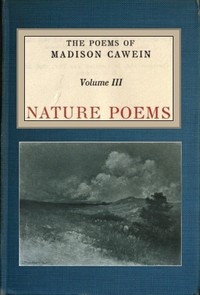
The Poems of Madison Cawein, Volume 3 (of 5): Nature poems
Written by Madison Julius Cawein
Chaptra reads alongside you — AI insights, chapter breakdowns and reader discussions for every book. Join free
About this book
Reading guide
Themes, characters and key ideas in The Poems of Madison Cawein, Volume 3 (of 5): Nature poems, written by Chaptra AI.
- about 8 hours
- intermediate
- contemplative
- evocative
- serene
Madison Cawein's "The Poems of Madison Cawein, Volume 3" is a captivating collection of late 19th-century nature poetry, deeply rooted in the author's profound appreciation for the natural world. Through vivid imagery and emotive language, Cawein meticulously renders landscapes, flora, and fauna, transforming everyday natural elements into sources of profound inspiration and solace. The volume opens with a prologue that establishes the poet's intimate connection to nature, setting the stage for subsequent verses that explore themes of beauty, loss, the inexorable passage of time, and the human spirit's communion with the changing seasons. It serves as a reflective journey, inviting readers to contemplate their own relationship with the environment and the cyclical nature of existence.
“The grasshopper's small song, a vibrant thread, / Weaves through the sun-drenched silence overhead.”
Key themes
- Nature's Beauty and Complexity
- This theme is central to the collection, exploring the intricate details and overarching grandeur of the natural world. Cawein's poems meticulously describe landscapes, flora, and fauna, highlighting both the delicate beauty of individual elements (like a grasshopper's song or a single leaf) and the majestic complexity of entire ecosystems (forests, mountains). He portrays nature as a source of aesthetic pleasure, wonder, and spiritual nourishment.
- Passage of Time and Seasons
- The cyclical nature of seasons serves as a powerful metaphor for the human experience of time, change, and the inevitable cycle of life and death. Cawein explores how each season brings its unique beauty and emotional resonance, paralleling themes of youth, maturity, decline, and renewal in human life. Spring symbolizes hope and rebirth, summer life and vitality, autumn reflection and decay, and winter stillness and dormancy.
- Human Connection to Nature
- Cawein deeply explores the profound, often spiritual, bond between humanity and the natural world. Nature is presented not merely as a backdrop but as a source of solace, inspiration, wisdom, and emotional mirroring. The poet finds his truest self and deepest understanding when immersed in nature, suggesting that communion with the environment is essential for spiritual well-being and self-discovery.
Worth discussing
How does Cawein personify nature, and what effect does this have on the reader's perception of the natural world?
Chapter-by-chapter breakdowns, character arcs and the full thematic analysis come with a free account.
Discussions
No one has started one yet
Questions this book opens up
No discussions yet
Be the first to start a discussion about this book!
Sign up to start the discussionReviews
No reviews yet
Be the first to review this book!