
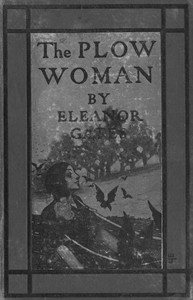
The Plow-Woman
Written by Eleanor Gates
Chaptra reads alongside you — AI insights, chapter breakdowns and reader discussions for every book. Join free
About this book
Read it with a club
Small groups reading the same books and talking as they go.


News
- 4 members
- 1,813 discussions
- Active Sep 11
Read The Plow-Woman alongside people who are reading it too.
Also here: News Bulletin, Just Joking....
Chaptra Prime — paid clubs, every club feature, and unlimited reading support, for $5 a month or $60 once.
See PrimeReading guide
Themes, characters and key ideas in The Plow-Woman, written by Chaptra AI.
- about 8 hours
- intermediate
- resilient
- challenging
- hopeful
Eleanor Gates' "The Plow-Woman" is an early 20th-century novel chronicling the arduous life of Dallas Lancaster, a determined young woman homesteading on the Dakota prairie. As winter approaches, Dallas diligently plows her family's land, shouldering the immense responsibility for her crippled father, Evan, and delicate sister, Marylyn. Their hopes and anxieties are inextricably linked to the impending arrival of the railroad, which promises potential prosperity for their claim but also threatens to uproot their hard-won existence. The narrative explores themes of resilience, family duty, and the complex clash between frontier life and encroaching industrial progress, all set against the backdrop of a nascent community experiencing significant change.
“The prairie asks much, but it gives back a truth no city man can know.”
Key themes
- Resilience and Adaptation
- This theme explores the human capacity to endure extreme hardship, adapt to unforgiving environments, and overcome seemingly insurmountable challenges. Dallas's relentless plowing, her unwavering commitment to her family, and her ability to face down threats exemplify this core aspect of frontier life. It highlights the mental and physical fortitude required to survive and thrive on the prairie.
- Family Responsibility and Duty
- The novel deeply examines the bonds of family and the profound sense of duty one feels towards loved ones, particularly in a context where survival depends on collective effort. Dallas's entire existence is framed by her responsibility for her father and sister, driving her actions and choices, often at personal cost.
- Progress vs. Preservation
- This central conflict explores the tension between industrial advancement, symbolized by the railroad, and the desire to preserve a way of life deeply connected to the land. The railroad promises economic opportunity but threatens to disrupt the natural environment and the settlers' hard-won independence, forcing a reevaluation of what 'progress' truly means.
Worth discussing
How does Dallas Lancaster challenge or conform to the gender roles expected of women in the early 20th-century American West?
Chapter-by-chapter breakdowns, character arcs and the full thematic analysis come with a free account.
Discussions
No one has started one yet
Questions this book opens up
No discussions yet
Be the first to start a discussion about this book!
Sign up to start the discussionReviews
No reviews yet
Be the first to review this book!