
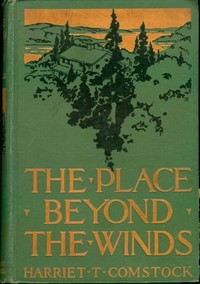
The Place Beyond the Winds
Written by Harriet T. (Harriet Theresa) Comstock
Chaptra reads alongside you — AI insights, chapter breakdowns and reader discussions for every book. Join free
About this book
Reading guide
Themes, characters and key ideas in The Place Beyond the Winds, written by Chaptra AI.
- about 9 hours
- intermediate
- reflective
- yearning
- inspirational
Harriet T. Comstock's "The Place Beyond the Winds" is an early 20th-century novel centered on Priscilla Glenn, a spirited young woman in the rural Canadian community of Kenmore. The narrative chronicles Priscilla's coming-of-age as she grapples with the strictures of her traditional farming family, particularly her authoritarian father, Nathaniel Glenn, and her own profound yearning for independence and intellectual fulfillment. Set against a backdrop that values conformity and practicality, the story delves into her struggle to reconcile her vibrant spirit and dreams with the conventional expectations of her society. Ultimately, the novel explores Priscilla's quest for identity and meaning, hinting at the profound conflicts and self-discovery that define her journey beyond perceived boundaries.
“"The wind called to me, not with a whisper of what was, but with a roar of what could be, beyond the familiar hills."”
Key themes
- Freedom vs. Tradition
- This theme is central to Priscilla's journey, exploring the tension between the inherited expectations of a rural, patriarchal society and the individual's inherent desire for autonomy. It examines how tradition can provide stability but also stifle personal growth and intellectual freedom, particularly for women.
- Identity and Self-Discovery
- The novel is a Bildungsroman, charting Priscilla's quest to understand who she is and who she wants to become. It delves into the process of forging an individual identity distinct from familial and communal definitions, emphasizing the importance of introspection, knowledge, and personal experience in shaping the self.
- Nature as Solace and Symbol
- Nature in the novel serves multiple roles: it is both the physical setting that defines Priscilla's constrained life and a profound source of spiritual solace and inspiration. It symbolizes freedom, the unknown, and the untamed aspects of Priscilla's own spirit, often mirroring her internal emotional landscape.
Worth discussing
How does the rural Canadian setting of Kenmore influence Priscilla's aspirations and limitations?
Chapter-by-chapter breakdowns, character arcs and the full thematic analysis come with a free account.
Discussions
No one has started one yet
Questions this book opens up
No discussions yet
Be the first to start a discussion about this book!
Sign up to start the discussionReviews
No reviews yet
Be the first to review this book!