
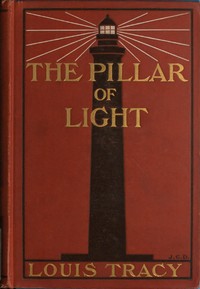
The Pillar of Light
Written by Louis Tracy
Chaptra reads alongside you — AI insights, chapter breakdowns and reader discussions for every book. Join free
About this book
Reading guide
Themes, characters and key ideas in The Pillar of Light, written by Chaptra AI.
- about 9 hours
- intermediate
- mysterious
- adventurous
- emotional
Louis Tracy's "The Pillar of Light" is an early 20th-century novel centered on Stephen Brand, the solitary keeper of the remote Gulf Rock lighthouse. The narrative thrust begins when Brand, amidst a foggy night, discovers an abandoned lifeboat containing a miraculously surviving baby, setting in motion a chain of events that challenges his isolated existence. This dramatic rescue forces Brand to confront his own shadowed past while navigating the perilous life at sea alongside his companions. The story intricately weaves themes of duty, fate, human connection, and the relentless power of the ocean, promising a blend of suspense and profound emotional exploration as mysteries unfold and relationships deepen.
“"The Pillar of Light stood as a sentinel against the raging dark, a testament to man's solitary defiance against the boundless chaos of the sea."”
Key themes
- Duty and Responsibility
- This theme is central, explored through Stephen Brand's unwavering commitment to his role as a lighthouse keeper, symbolizing vigilance and protection. It deepens significantly when he takes on the responsibility for the abandoned infant, expanding his understanding of duty from professional obligation to personal, paternal care. The novel examines the sacrifices and moral dilemmas inherent in fulfilling one's responsibilities, particularly in isolated and perilous environments.
- Isolation vs. Human Connection
- The stark isolation of the Gulf Rock lighthouse serves as a powerful metaphor for Stephen Brand's emotional solitude. The novel explores the psychological toll of such an existence and how the unexpected arrival of the baby shatters this isolation, forcing Brand to open himself to connection and vulnerability. It highlights the fundamental human need for companionship and family, even in the most remote circumstances.
- Fate and Providence
- The miraculous discovery of the baby in an abandoned lifeboat, against all odds, introduces a strong element of fate or divine providence into the narrative. The story suggests that certain events are predetermined, or that a higher power guides individuals toward their destiny. This theme explores how seemingly random occurrences can profoundly alter life paths and lead to unforeseen transformations.
Worth discussing
How does the isolated setting of the lighthouse influence Stephen Brand's character and his initial reaction to finding the baby?
Chapter-by-chapter breakdowns, character arcs and the full thematic analysis come with a free account.
Discussions
No one has started one yet
Questions this book opens up
No discussions yet
Be the first to start a discussion about this book!
Sign up to start the discussionReviews
No reviews yet
Be the first to review this book!