
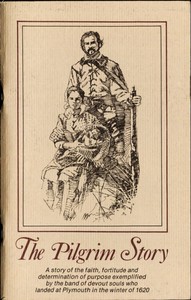
The Pilgrim story : $b Being largely a compilation from the documents of Governor Bradford and Governor Winslow, severally and in collaboration; together with a list of Mayflower passengers.
Written by William Franklin Atwood
Chaptra reads alongside you — AI insights, chapter breakdowns and reader discussions for every book. Join free
About this book
Reading guide
Themes, characters and key ideas in The Pilgrim story : $b Being largely a compilation from the documents of Governor Bradford and Governor Winslow, severally and in collaboration; together with a list of Mayflower passengers., written by Chaptra AI.
- about 8 hours
- intermediate
- Historical
- Resilient
- Informative
William Franklin Atwood's "The Pilgrim Story" is a mid-20th century historical compilation that meticulously details the arduous journey and settlement of the Pilgrims. Drawing heavily from the primary accounts of Governors William Bradford and Edward Winslow, the book chronicles their initial religious persecution in England, their difficult refuge in Holland, and their perilous voyage aboard the Mayflower to the New World. It vividly portrays their struggles, unwavering faith, and collective determination to establish the Plymouth Colony, highlighting their efforts to build a community and secure religious freedom amidst new challenges, including initial encounters with Native Americans. Atwood synthesizes these foundational documents to present a comprehensive narrative of resilience and the birth of a pivotal American settlement.
“Our greatest hope was to lay some good foundation for the propagating and advancing of the gospel of the kingdom of Christ in those remote parts of the world.”
Key themes
- Religious Freedom and Persecution
- This is the foundational theme, detailing the Pilgrims' profound desire to worship according to their conscience, free from the dictates of the Church of England. The book vividly describes the persecution they faced, which directly propelled their migrations from England to Holland and then to the New World, emphasizing their unwavering commitment to their faith.
- Perseverance and Resilience
- The book consistently highlights the Pilgrims' extraordinary capacity to endure immense physical, emotional, and spiritual hardships. From failed escape attempts and the perils of ocean travel to the harsh realities of the first winter in Plymouth, their story is a testament to human resilience and determination.
- Community Building and Governance
- Atwood chronicles the Pilgrims' efforts to forge a cohesive society in a challenging new environment. This includes their innovative approach to self-governance through the Mayflower Compact and their continuous work to establish social order, economic stability, and diplomatic relations essential for survival and growth.
Worth discussing
How does Atwood's compilation of primary sources shape our understanding of the Pilgrims' motivations, and what are the advantages and disadvantages of this approach?
Chapter-by-chapter breakdowns, character arcs and the full thematic analysis come with a free account.
Discussions
No one has started one yet
Questions this book opens up
No discussions yet
Be the first to start a discussion about this book!
Sign up to start the discussionReviews
No reviews yet
Be the first to review this book!