
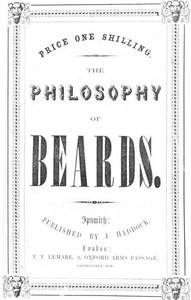
The Philosophy of Beards: A Lecture Physiological, Artistic & Historical
Written by Thomas S. Gowing
Chaptra reads alongside you — AI insights, chapter breakdowns and reader discussions for every book. Join free
About this book
Reading guide
Themes, characters and key ideas in The Philosophy of Beards: A Lecture Physiological, Artistic & Historical, written by Chaptra AI.
- about 3 hours
- intermediate
- humorous
- didactic
- earnest
Thomas S. Gowing's "The Philosophy of Beards" is a late 19th-century persuasive lecture advocating for the embrace of beards, arguing against contemporary shaving trends. Gowing systematically explores the physiological benefits of beards, positing them as natural protectors of the face, and delves into their artistic merits and historical significance across diverse cultures. Blending humor with earnest conviction, the work champions the beard as a symbol of natural masculinity and an essential aspect of human identity, reflecting on fashion's powerful, often irrational, influence on societal norms. It serves as both a historical artifact and a timeless commentary on natural attributes versus cultural dictates.
“Nature, ever wise and provident, has not bestowed upon man this hirsute covering without a definite object.”
Key themes
- Nature vs. Culture/Fashion
- This is the central thematic conflict. Gowing argues that the beard is a natural, beneficial attribute, while shaving is a cultural imposition driven by arbitrary fashion trends. He explores how societal norms often override natural inclinations, sometimes to the detriment of health or aesthetic harmony.
- Masculinity and Identity
- Gowing explicitly links the beard to masculinity, portraying it as a symbol of strength, maturity, and a natural, dignified male identity. He suggests that shaving diminishes this inherent masculinity, implicitly questioning the identity of the clean-shaven man.
- The Cyclical Nature of History and Fashion
- Through his extensive historical survey, Gowing illustrates how the beard has fallen in and out of favor across different eras and cultures. This highlights the idea that fashion and societal norms are cyclical, constantly changing, and often repeat patterns of acceptance and rejection.
Worth discussing
How does Gowing's argument about the 'natural' purpose of beards compare with modern understandings of human physiology and evolution?
Chapter-by-chapter breakdowns, character arcs and the full thematic analysis come with a free account.
Discussions
No one has started one yet
Questions this book opens up
No discussions yet
Be the first to start a discussion about this book!
Sign up to start the discussionReviews
No reviews yet
Be the first to review this book!