
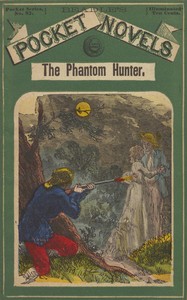
The phantom hunter; or, love after death
Written by Edward Sylvester Ellis
Chaptra reads alongside you — AI insights, chapter breakdowns and reader discussions for every book. Join free
About this book
Reading guide
Themes, characters and key ideas in The phantom hunter; or, love after death, written by Chaptra AI.
- about 8 hours
- intermediate
- mysterious
- romantic
- tense
Edward Sylvester Ellis's "The Phantom Hunter; or, Love After Death" is a late 19th-century historical novel set in early Kentucky, delving into themes of justice, betrayal, and the supernatural. The narrative commences with the wrongful execution of Russell Trafford for his uncle's murder, despite his fervent claims of innocence, leaving his fiancée, Isabel Moreland, in profound grief. Circumstantial evidence, particularly a tinder-box found near a fire, fuels the community's suspicions against Trafford, while the nefarious Jim McCabe harbors undisclosed motives. As the story unfolds, it promises an exploration of Isabel's enduring love and the haunting possibility of Trafford's return from the grave, blending historical romance with elements of suspense and potential supernatural redemption.
“"They hanged an innocent man today, and the heavens themselves shall weep for him." (Illustrative, reflecting Isabel's grief and the injustice)”
Key themes
- Justice and Injustice
- The central theme revolves around the profound injustice suffered by Russell Trafford, who is wrongfully executed based on circumstantial evidence. The novel explores the flaws in the judicial system of early settlements, the dangers of community suspicion, and the desperate human need for truth and retribution when justice fails.
- Love and Loss
- This theme is embodied by Isabel Moreland's enduring grief and unwavering devotion to Russell Trafford, even after his death. It explores the profound impact of loss, the strength of romantic bonds, and the idea that love can transcend the boundaries of life and death, driving characters to extraordinary lengths.
- Betrayal and Deceit
- Underlying Russell Trafford's wrongful conviction is the sinister presence of Jim McCabe and his 'ulterior motives,' suggesting a deep act of betrayal. This theme explores the destructive power of malice, the hidden machinations of antagonists, and the devastating consequences of trust broken within a community.
Worth discussing
How does the novel challenge or affirm 19th-century notions of justice and legal process, particularly in frontier settlements?
Chapter-by-chapter breakdowns, character arcs and the full thematic analysis come with a free account.
Discussions
No one has started one yet
Questions this book opens up
No discussions yet
Be the first to start a discussion about this book!
Sign up to start the discussionReviews
No reviews yet
Be the first to review this book!