
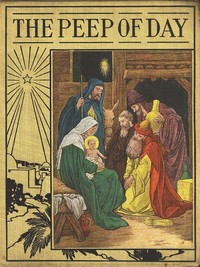
The Peep of Day
Written by Favell Lee Mortimer
Chaptra reads alongside you — AI insights, chapter breakdowns and reader discussions for every book. Join free
About this book
Reading guide
Themes, characters and key ideas in The Peep of Day, written by Chaptra AI.
- about 8 hours
- beginner
- instructive
- didactic
- reverent
Favell Lee Mortimer's "The Peep of Day" is a seminal mid-19th century children's religious text designed to introduce Christian principles to very young children. Structured as a systematic series of lessons, it covers foundational biblical concepts from Creation and the Fall to the life, death, and resurrection of Jesus Christ, interspersed with moral instruction. The book employs a simple, conversational, and often repetitive question-and-answer style to instill gratitude towards God, emphasize obedience, and explain basic theological tenets like the nature of the soul. While lacking a traditional narrative, its didactic approach aims to lay a firm groundwork for Christian faith and moral conduct in its young audience, reflecting Victorian evangelical educational values.
“Who made you? God made me.”
Key themes
- Divine Providence and Creation
- This theme emphasizes God as the ultimate creator and sustainer of the universe and all life. The book systematically teaches children that everything, from their own bodies to the natural world, is a gift from God, highlighting His power, wisdom, and benevolent care. It fosters a sense of awe and gratitude towards the divine.
- Sin and Redemption
- A core Christian theme, this explores the concept of humanity's fallen nature through Adam and Eve's disobedience, leading to the necessity of redemption. The book simplifies the idea of sin for children (disobeying God, telling lies, being naughty) and presents Jesus Christ's sacrifice as the sole means of salvation and forgiveness.
- Obedience and Morality
- This theme emphasizes the paramount importance of obeying God's commands and, by extension, parental authority. Moral lessons are directly linked to divine will, teaching children to distinguish between right and wrong based on Christian principles. It promotes virtues like honesty, kindness, and diligence.
Worth discussing
How effective is the question-and-answer format for teaching complex concepts to young children, and what are its limitations?
Chapter-by-chapter breakdowns, character arcs and the full thematic analysis come with a free account.
Discussions
No one has started one yet
Questions this book opens up
No discussions yet
Be the first to start a discussion about this book!
Sign up to start the discussionReviews
No reviews yet
Be the first to review this book!