
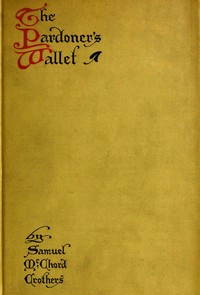
The Pardoner's Wallet
Written by Samuel McChord Crothers
Chaptra reads alongside you — AI insights, chapter breakdowns and reader discussions for every book. Join free
About this book
Reading guide
Themes, characters and key ideas in The Pardoner's Wallet, written by Chaptra AI.
- about 8 hours
- intermediate
- humorous
- thought-provoking
- satirical
Samuel McChord Crothers' "The Pardoner's Wallet" is a collection of early 20th-century essays that playfully dissect human nature and societal morality. Through a satirical and often humorous lens, Crothers critiques the rigidities of social conventions and the complex paradoxes inherent in moral responsibility. He introduces the allegorical figure of a medieval pardoner to explore the opportunistic tendencies within individuals and institutions, linking it to the pressures of conformity and the overwhelming burden of moral righteousness. The work ultimately advocates for a more compassionate and understanding perspective on common human failings, inviting readers to reflect on their own ethical frameworks and biases.
“The most perplexing moral dilemmas often arise not from grand evils, but from the everyday compromises of a burdened conscience.”
Key themes
- Moral Judgment and Hypocrisy
- Crothers extensively critiques the human tendency to judge others harshly, often while overlooking one's own imperfections. He exposes the hypocrisy inherent in societal moral codes that demand rigid adherence while individuals struggle with complex realities, using the Pardoner as a symbol of superficial moral transactions.
- Human Imperfection and Frailty
- A central theme is Crothers' compassionate understanding of human fallibility. He argues against the overwhelming burden of striving for perfect moral righteousness, instead advocating for acceptance and forgiveness of everyday moral failings and internal conflicts.
- Societal Norms and Conformity
- Crothers critiques the rigidity of social conventions and the immense pressure individuals face to conform to established norms. He explores how these pressures can stifle genuine moral reflection and lead to superficial adherence to rules rather than deeply held ethical principles.
Worth discussing
How does Crothers use the figure of the medieval pardoner to critique early 20th-century society, and how might this critique apply today?
Chapter-by-chapter breakdowns, character arcs and the full thematic analysis come with a free account.
Discussions
No one has started one yet
Questions this book opens up
No discussions yet
Be the first to start a discussion about this book!
Sign up to start the discussionReviews
No reviews yet
Be the first to review this book!