
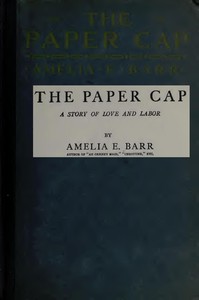
The Paper Cap: A Story of Love and Labor
Written by Amelia E. Barr
Chaptra reads alongside you — AI insights, chapter breakdowns and reader discussions for every book. Join free
About this book
Reading guide
Themes, characters and key ideas in The Paper Cap: A Story of Love and Labor, written by Chaptra AI.
- about 8 hours
- intermediate
- Historical
- Social commentary
- Romantic
Amelia E. Barr's "The Paper Cap: A Story of Love and Labor" is a historical novel set in early 20th-century industrial England, exploring the profound societal shifts brought about by the factory system. The narrative centers on Squire Antony Annis, his family, and the traditional home-based weavers of his Yorkshire village, as they confront the encroaching threat of industrialization and its impact on labor, class, and community. Through the squire's interactions and his daughter Katherine's burgeoning desire for social reform, the book vividly portrays the tensions between old ways of life and new economic realities. It delves into themes of social responsibility, class conflict, and the human cost of progress, all while weaving in elements of personal relationships and burgeoning love.
“"The loom is not merely wood and thread, Master Annis; it is the song of our hands, the bread of our children, and the very heart of our Yorkshire spirit."”
Key themes
- Labor Rights and Industrialization
- This theme explores the dramatic shift from artisanal home-based production to factory systems, focusing on the exploitation, poor conditions, and loss of dignity faced by workers. It delves into the nascent movements for fair wages, safe working environments, and the right to organize, highlighting the human cost of rapid economic progress.
- Social Class and Inequality
- The novel meticulously portrays the rigid class structure of early 20th-century England, examining the vast chasm between the landed gentry (like the Annis family) and the working poor. It explores the privileges and responsibilities of the upper class, the struggles and resilience of the lower class, and the moral dilemmas arising from such stark disparities.
- Social Responsibility and Reform
- This theme highlights the moral imperative for individuals, particularly those in positions of power or privilege, to address societal injustices and work towards systemic change. It explores different approaches to reform, from paternalistic benevolence to active advocacy, and the personal risks and rewards of engaging in social activism.
Worth discussing
How does Barr portray the transition from traditional craftsmanship to industrial production, and what are the societal consequences highlighted?
Chapter-by-chapter breakdowns, character arcs and the full thematic analysis come with a free account.
Discussions
No one has started one yet
Questions this book opens up
No discussions yet
Be the first to start a discussion about this book!
Sign up to start the discussionReviews
No reviews yet
Be the first to review this book!