
About this book
Reading guide
Themes, characters and key ideas in The Pansy, November 1886, Vol. 14, written by Chaptra AI.
- about 8 hours
- intermediate
- uplifting
- instructive
- hopeful
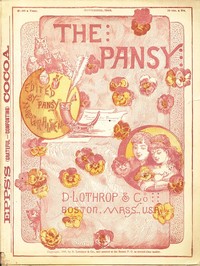
"The Pansy, November 1886, Vol. 14" is a late 19th-century monthly periodical, a collection designed to impart moral and spiritual lessons to children and families. Through a variety of stories and articles, it explores themes of compassion, ethical decision-making, and the intricacies of family life, reflecting the societal values of its era. Key narratives include Joseph's act of kindness towards Rettie, prompted by a spiritual reflection, and other vignettes depicting young characters grappling with emotions and learning from their experiences. The publication aims to foster moral growth and a sense of hope, utilizing relatable characters to convey its didactic messages. Its content serves as a window into the challenges and values prevalent in Victorian-era domestic and spiritual life.
“"A promise selected from God's own Book for a whole month's keeping."”
Key themes
- Compassion and Kindness
- This theme is central to the magazine's purpose, emphasizing the importance of empathy and active care for others. It is presented as a fundamental virtue, often stemming from spiritual reflection and leading to tangible positive outcomes for both the giver and receiver.
- Moral Dilemmas and Growth
- The magazine frequently explores situations where characters, particularly children, must make ethical choices. These dilemmas serve as catalysts for personal growth, demonstrating that facing challenges and choosing the virtuous path leads to stronger character and spiritual development.
- Spiritual Reflection and Guidance
- Integral to the magazine's mission, this theme emphasizes the role of spiritual principles and religious teachings (specifically Christian, given the Bible verse context) in guiding moral conduct. It suggests that spiritual contemplation is not merely an abstract exercise but a direct precursor to ethical action.
Worth discussing
How do the moral lessons presented in "The Pansy" reflect the values of the late 19th century? Are any of these values still relevant today?
Chapter-by-chapter breakdowns, character arcs and the full thematic analysis come with a free account.
Discussions
No one has started one yet
Questions this book opens up
No discussions yet
Be the first to start a discussion about this book!
Sign up to start the discussionReviews
No reviews yet
Be the first to review this book!