
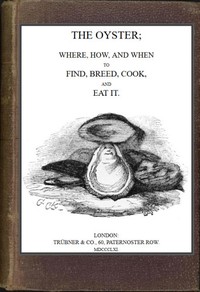
The Oyster: Where, How and When to Find, Breed, Cook and Eat It
Written by Eustace Clare Grenville Murray
Chaptra reads alongside you — AI insights, chapter breakdowns and reader discussions for every book. Join free
About this book
Reading guide
Themes, characters and key ideas in The Oyster: Where, How and When to Find, Breed, Cook and Eat It, written by Chaptra AI.
- about 6 hours
- intermediate
- informative
- historical
- culinary
Eustace Clare Grenville Murray's "The Oyster" is a comprehensive 19th-century treatise dedicated to the mollusk, exploring its natural history, cultivation, culinary preparation, and cultural significance. Far from a mere cookbook, it delves into the biological aspects of oysters, the historical methods of their breeding and harvesting, and a variety of ways they were enjoyed across different societies. The book serves as both an informative guide for the enthusiast and a historical document reflecting the era's understanding and appreciation of this prized seafood. It meticulously covers everything from where to locate oysters in their natural habitats to sophisticated recipes for their consumption, painting a vivid picture of oyster gastronomy.
“The oyster, like many other things which are excellent, has been the subject of much controversy.”
Key themes
- The Art of Gastronomy
- This theme explores the oyster not merely as sustenance but as an object of sophisticated culinary appreciation and preparation. Murray details various historical and contemporary methods of serving and cooking oysters, emphasizing the nuanced flavors and textures that elevate it to a gourmet item. The theme highlights the human desire to transform raw ingredients into cultural experiences.
- Historical and Cultural Significance of Food
- Murray positions the oyster within a rich tapestry of history and culture, illustrating its role in various societies, economies, and social strata. The book discusses the oyster's status as a food item, from being a staple for the poor to a delicacy for the wealthy, and its presence in historical texts and culinary traditions across different regions.
- Human-Nature Relationship
- The book deeply explores how humans interact with and manipulate the natural world for sustenance and pleasure. It covers the discovery of oysters, their natural habitats, and the development of techniques for harvesting and cultivating them, demonstrating both an appreciation for nature's bounty and an increasing mastery over it through early aquaculture.
Worth discussing
How does Murray's depiction of oyster cultivation compare to modern aquaculture practices, and what can we learn from historical methods?
Chapter-by-chapter breakdowns, character arcs and the full thematic analysis come with a free account.
Discussions
No one has started one yet
Questions this book opens up
No discussions yet
Be the first to start a discussion about this book!
Sign up to start the discussionReviews
No reviews yet
Be the first to review this book!