
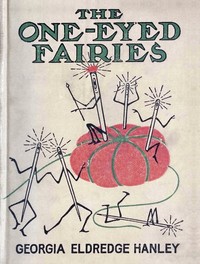
The One-Eyed Fairies
Written by Georgia Eldridge Hanley
Chaptra reads alongside you — AI insights, chapter breakdowns and reader discussions for every book. Join free
About this book
Reading guide
Themes, characters and key ideas in The One-Eyed Fairies, written by Chaptra AI.
- about 8 hours
- beginner
- whimsical
- uplifting
- charming
Georgia Eldridge Hanley's "The One-Eyed Fairies" is an early 20th-century children's novel that blends whimsical fantasy with practical instruction. The story follows young Margaret Allen, who, upon receiving a new work-basket, discovers a band of magical One-Eyed Fairies. Led by Sir Bodkin, these charming sprites emerge from her basket, ready to assist Margaret in her newfound desire to learn sewing. Through a series of delightful adventures, the fairies impart valuable needlecraft skills, transforming the mundane task of sewing into a magical and creative endeavor. The book ultimately champions imagination, craftsmanship, and the joy of learning new skills.
“"A work-basket! Oh, if only I had fairies to help me make beautiful things!" cried Margaret, little knowing her wish would soon take wing.”
Key themes
- Imagination and Creativity
- The central theme, explored through Margaret's initial wish for fairies and their subsequent fantastical assistance. The book posits that imagination is not merely idle dreaming but a powerful force that can bring joy, solve problems, and enhance practical endeavors. The fairies themselves are products of imagination, making the creative process tangible and magical.
- The Joy of Learning and Craftsmanship
- The novel frames the acquisition of sewing skills not as a chore but as a delightful and rewarding pursuit. The fairies make learning fun, emphasizing the satisfaction of creating something with one's own hands. It celebrates the process of mastering a craft and the pride that comes with it.
- Magic in Everyday Life
- The book suggests that wonder and magic are not confined to distant lands but can be found in the most ordinary objects and activities. The fairies emerging from a work-basket transform a mundane item into a source of extraordinary adventure, inviting readers to look for enchantment in their own surroundings.
Worth discussing
How does the book blend magic with practical skills? What message does this send about learning?
Chapter-by-chapter breakdowns, character arcs and the full thematic analysis come with a free account.
Discussions
No one has started one yet
Questions this book opens up
No discussions yet
Be the first to start a discussion about this book!
Sign up to start the discussionReviews
No reviews yet
Be the first to review this book!