
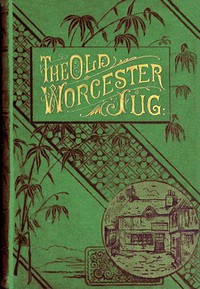
The old Worcester jug : $b or, John Griffin's little maid
Written by Eglanton Thorne
Chaptra reads alongside you — AI insights, chapter breakdowns and reader discussions for every book. Join free
About this book
Reading guide
Themes, characters and key ideas in The old Worcester jug : $b or, John Griffin's little maid, written by Chaptra AI.
- about 8 hours
- intermediate
- moralistic
- thought-provoking
- redemptive
Eglanton Thorne's "The Old Worcester Jug" is a late 19th-century moralistic novel centered on John Griffin, a shrewd china dealer, whose encounter with a destitute widow and her daughter, Maggie, profoundly challenges his conscience. After purchasing a valuable antique jug from them for a pittance, Griffin is plagued by guilt, leading him on a journey of moral reckoning and eventual redemption. The narrative explores the stark disparities between wealth and poverty, urging readers to consider the true cost of avarice and the transformative power of compassion. Ultimately, it depicts how a single act of injustice can intertwine lives and compel a man to confront his own ethical failings, striving to make amends.
“"The price of a conscience, Mr. Griffin, is far higher than any jug, however ancient."”
Key themes
- Morality and Ethics
- The central theme revolves around John Griffin's moral dilemma after exploiting the widow. It explores the conflict between personal gain and ethical conduct, questioning the true cost of a 'good bargain' when it comes at the expense of another's suffering. The novel delves into the nature of guilt, conscience, and the journey towards ethical responsibility.
- Wealth and Poverty / Social Inequality
- The novel starkly contrasts Griffin's comfortable, albeit morally compromised, existence with the extreme destitution of the widow and Maggie. It highlights the vast social inequalities prevalent in the late 19th century and critiques a system where the vulnerable are easily exploited by the privileged. It implicitly calls for greater empathy and social justice.
- Redemption and Conscience
- A core theme is Griffin's journey of redemption. His initial act of greed triggers a powerful internal conflict, leading to guilt and ultimately a desire for atonement. The narrative explores the psychological weight of a troubled conscience and the transformative power of choosing to right one's wrongs, suggesting that true peace comes from ethical living.
Worth discussing
How does John Griffin's initial act of undervaluing the jug reflect broader societal attitudes towards the poor in the late 19th century?
Chapter-by-chapter breakdowns, character arcs and the full thematic analysis come with a free account.
Discussions
No one has started one yet
Questions this book opens up
No discussions yet
Be the first to start a discussion about this book!
Sign up to start the discussionReviews
No reviews yet
Be the first to review this book!