
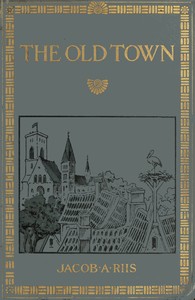
The old town
Written by Jacob A. (Jacob August) Riis
Chaptra reads alongside you — AI insights, chapter breakdowns and reader discussions for every book. Join free
About this book
Reading guide
Themes, characters and key ideas in The old town, written by Chaptra AI.
- about 8 hours
- intermediate
- Nostalgic
- Reflective
- Warm
Jacob A. Riis's "The Old Town" is a deeply personal and historical memoir reflecting on his childhood in Ribe, Denmark, during the early 20th century. Through a nostalgic lens, Riis vividly recounts his formative years, exploring the unique culture, traditions, and the slow, inevitable transformations of his beloved hometown. The narrative is a poignant exploration of memory, the enduring strength of community bonds, and the subtle yet profound impact of time on both places and people. Riis invites readers to appreciate the simple warmth of community life in Ribe, characterized by close relationships and a profound connection to its rich history and natural surroundings, even amidst past struggles.
“The stir of starlings, a sound as old as Ribe itself, always brings me back to the boy I was, walking these ancient streets.”
Key themes
- Nostalgia and Memory
- Central to the memoir, Riis explores the profound human tendency to look back, idealizing and cherishing the past. He delves into how specific sensory details (like the stir of starlings) can unlock a flood of memories, shaping one's present identity and understanding of the world. The theme highlights memory's power to preserve and reinterpret experiences.
- Community and Belonging
- Riis celebrates the strong sense of community that characterized Ribe. He illustrates how shared experiences, mutual support, and adherence to traditions fostered a deep sense of belonging among its inhabitants. This theme explores the intricate web of relationships that define a small town and provide a foundation for individual and collective identity.
- The Enduring Power of Place
- Ribe is not just a setting; it is a character that profoundly shapes the lives and identities of its inhabitants. Riis explores how the physical and historical attributes of a place imbue it with a unique spirit and influence the people who live there. The memoir highlights how a specific geographical location can become a repository of memory, history, and collective identity.
Worth discussing
How does Riis use sensory details to evoke a strong sense of nostalgia and place? Can you identify specific examples?
Chapter-by-chapter breakdowns, character arcs and the full thematic analysis come with a free account.
Discussions
No one has started one yet
Questions this book opens up
No discussions yet
Be the first to start a discussion about this book!
Sign up to start the discussionReviews
No reviews yet
Be the first to review this book!