
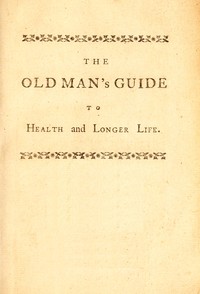
The old man's guide to health and longer life : $b With rules for diet, exercise, and physic; for preserving a good constitution, and preventing disorders in a bad one
Written by John Hill
Chaptra reads alongside you — AI insights, chapter breakdowns and reader discussions for every book. Join free
About this book
Reading guide
Themes, characters and key ideas in The old man's guide to health and longer life : $b With rules for diet, exercise, and physic; for preserving a good constitution, and preventing disorders in a bad one, written by Chaptra AI.
- about 8 hours
- intermediate
- instructive
- pragmatic
- authoritative
John Hill's "The Old Man's Guide to Health and Longer Life" is a late 18th-century health manual dedicated to the well-being of elderly individuals. It offers prescriptive advice on diet, exercise, and lifestyle choices aimed at preserving good health and preventing ailments in old age. The book champions a proactive, preventive approach, emphasizing moderation, mental tranquility, and a connection to nature as crucial elements for longevity. Hill's guide provides practical guidelines for diet, physical activity, and emotional management, empowering readers to actively manage their health in their later years. It stands as a significant historical document reflecting 18th-century medical and lifestyle philosophies.
“"A good constitution is not merely a gift of nature, but a treasure to be carefully preserved through judicious living."”
Key themes
- Longevity and Healthy Aging
- The paramount theme is the pursuit of a longer, healthier life specifically for elderly individuals. Hill provides a comprehensive guide aimed at extending life and improving its quality by focusing on proactive measures rather than reactive treatments for ailments. It explores the idea that old age need not be a period of inevitable decline but can be managed with wisdom and discipline.
- Preventive Medicine and Self-Care
- The book strongly advocates for preventing disorders rather than merely treating them. It places the onus of health maintenance largely on the individual, emphasizing daily choices in diet, exercise, and mental discipline as the primary tools for health preservation. This represents an early form of self-care philosophy in the medical context.
- Moderation and Balance
- A core principle woven throughout the book is the importance of moderation in all aspects of life – diet, exercise, emotions, and even intellectual pursuits. Hill posits that extremes in any area lead to imbalance and ultimately, ill-health. This theme reflects a classical philosophical ideal applied to physical and mental well-being.
Worth discussing
How does Hill's understanding of health and aging compare to modern medical science? What aspects remain relevant?
Chapter-by-chapter breakdowns, character arcs and the full thematic analysis come with a free account.
Discussions
No one has started one yet
Questions this book opens up
No discussions yet
Be the first to start a discussion about this book!
Sign up to start the discussionReviews
No reviews yet
Be the first to review this book!