
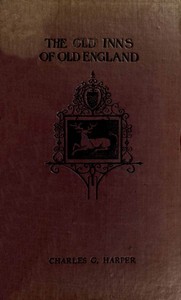
The Old Inns of Old England, Volume 1 (of 2): A Picturesque Account of the Ancient and Storied Hostelries of Our Own Country
Written by Charles G. (Charles George) Harper
Chaptra reads alongside you — AI insights, chapter breakdowns and reader discussions for every book. Join free
About this book
Reading guide
Themes, characters and key ideas in The Old Inns of Old England, Volume 1 (of 2): A Picturesque Account of the Ancient and Storied Hostelries of Our Own Country, written by Chaptra AI.
- about 8 hours
- intermediate
- Nostalgic
- Historical
- Evocative
Charles G. Harper's "The Old Inns of Old England, Volume 1 (of 2)" offers a captivating historical journey through England's traditional hostelries, written in the early 20th century. The book delves into the architectural evolution, cultural significance, and rich tapestry of stories associated with these ancient establishments, portraying them as cherished emblems of English heritage. Harper expresses a profound nostalgia for the inns, lamenting their decline amidst modernization while celebrating the enduring charm and unique respite offered by those that remain. Through vivid imagery and personal reflection, the volume promises an insightful exploration of the innkeeping trade's transformations, blending historical anecdotes with a deep appreciation for a vanishing past. It serves as both a historical record and a tribute to the cultural memory embedded within these storied buildings.
“The old inns, those venerable milestones of our country's past, stand as silent witnesses to centuries of English life and journey.”
Key themes
- Preservation of Heritage and Nostalgia
- This is the core emotional and intellectual thread of the book. Harper explicitly laments the decline of historic inns due to modernization and commercial interests, framing the book as an act of preservation and celebration. He champions the 'enduring charm' of the remaining inns, imbuing them with a deep sense of historical value and cultural memory. The narrative is often infused with a yearning for a bygone era, emphasizing the unique character and stories that are lost with each vanished inn.
- Transformation and Modernization
- Running parallel to the theme of preservation is the narrative of change. Harper documents how inns, and the broader hospitality industry, have been transformed by historical shifts, technological advancements (e.g., railways replacing coaching routes), and economic pressures. This theme explores the tension between tradition and progress, showing how external forces reshape cultural institutions. It highlights the adaptive capacity of some inns while mourning the loss of others unable to withstand the tide of change.
- The Role of Hospitality and Community
- Beyond their physical structure, inns are presented as vital centers of hospitality and community life. Harper explores how these establishments served as more than just places to sleep; they were social hubs, news centers, meeting points, and places of respite. The theme delves into the evolving nature of host-guest relationships, the camaraderie found amongst travelers, and the unique sense of comfort and belonging that a good inn provided. It implicitly examines the human need for connection and temporary haven.
Worth discussing
How does Harper's nostalgic appreciation for old inns influence his portrayal of their history and significance?
Chapter-by-chapter breakdowns, character arcs and the full thematic analysis come with a free account.
Discussions
No one has started one yet
Questions this book opens up
No discussions yet
Be the first to start a discussion about this book!
Sign up to start the discussionReviews
No reviews yet
Be the first to review this book!