
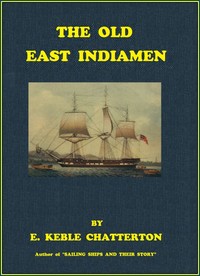
The Old East Indiamen
Written by E. Keble (Edward Keble) Chatterton
Chaptra reads alongside you — AI insights, chapter breakdowns and reader discussions for every book. Join free
About this book
Reading guide
Themes, characters and key ideas in The Old East Indiamen, written by Chaptra AI.
- about 10 hours
- intermediate
- historical
- adventurous
- informative
E. Keble Chatterton's "The Old East Indiamen" is a meticulously researched historical account from the early 20th century, chronicling the pivotal role of the East Indiamen sailing ships in the rise of British global trade and the expansion of its empire in India. The book delves into the adventurous voyages, the formidable challenges faced by brave seamen, and the immense economic and political power wielded by the East India Company. Chatterton traces the company's evolution from a nascent trading venture to a dominant force, highlighting the romance and peril of maritime exploration, the intricacies of shipbuilding and navigation, and the indomitable spirit of English sailors. It ultimately examines the grand era of these merchant ships, culminating in their eventual obsolescence with the advent of steam power.
“"The East Indiamen were more than mere merchant ships; they were the very sinews of an empire, carrying not only goods but the destiny of nations."”
Key themes
- Expansion of Empire and Colonialism
- The book meticulously details how the East Indiamen were instrumental in establishing and maintaining British trade routes and ultimately facilitating the expansion of the British Empire in India. It showcases the mercantile origins of colonialism, where economic interests directly led to political and military control over vast territories.
- Maritime Exploration and Adventure
- Chatterton vividly portrays the 'romance of maritime exploration' and the inherent adventure in long-distance sea voyages during an era of limited technology. The theme highlights the courage, resilience, and spirit of discovery required to navigate unknown waters and confront the perils of the sea.
- Trade and Economic Power
- The book fundamentally explores how trade, particularly in valuable commodities like spices, tea, and textiles, fueled immense wealth and became the primary engine for the British Empire's growth. It illustrates the mechanisms of early global commerce and the strategic importance of controlling trade routes and markets.
Worth discussing
How did the East Indiamen ships embody the spirit of British imperial expansion and economic ambition?
Chapter-by-chapter breakdowns, character arcs and the full thematic analysis come with a free account.
Discussions
No one has started one yet
Questions this book opens up
No discussions yet
Be the first to start a discussion about this book!
Sign up to start the discussionReviews
No reviews yet
Be the first to review this book!