
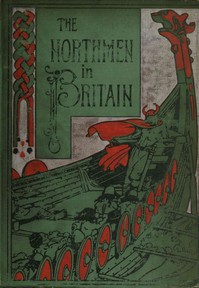
The Northmen in Britain
Written by Eleanor Hull
Chaptra reads alongside you — AI insights, chapter breakdowns and reader discussions for every book. Join free
About this book
Reading guide
Themes, characters and key ideas in The Northmen in Britain, written by Chaptra AI.
- about 10 hours
- advanced
- Historical
- Informative
- Serious
Eleanor Hull's "The Northmen in Britain" is an early 20th-century historical account meticulously charting the profound influence of the Viking Age on Britain from the 9th to the 11th centuries. The work commences with the initial fearsome Viking raids around 787 AD, detailing their transition from sporadic plunderers to established settlers and kingdom-builders. Drawing upon historical records and Norse sagas, Hull constructs a well-researched narrative exploring the Norsemen's invasions, the establishment of significant territories like Northumbria, and the complex cultural interactions that reshaped British society. It comprehensively examines the social structures, conflicts, and the lasting legacy of these seafaring warriors on the political and cultural landscape of Britain.
“As a historical account, specific memorable quotes are highly dependent on the author's prose style and particular phrasing. Without direct access to the text, it is difficult to extract definitive 'key quotes.' However, the book's essence likely contains passages reflecting the ferocity of the Northmen, the resilience of the Britons, and the profound transformation of the landscape. Plausible thematic quotes might include: 'The longships, harbingers of a new age, first touched Britain's shores not as mere raiders, but as shapers of destiny, irrevocably altering the course of insular history.'”
Key themes
- Conquest and Invasion
- This theme details the relentless military campaigns of the Northmen, their strategic prowess, and the profound impact of their invasions on the existing Anglo-Saxon kingdoms. Hull meticulously traces the progression from sporadic raids to systematic conquest and territorial control, highlighting the military strategies and the sheer scale of the Viking presence.
- The Shaping of British Identity
- The book argues that the Viking Age was not merely a period of destruction but a crucible that forged a new, more unified 'British' (or specifically, 'English') identity. The shared experience of invasion, resistance, and integration compelled different Anglo-Saxon kingdoms to coalesce and, ultimately, led to a distinct cultural and political landscape that incorporated Norse elements.
- Cultural Exchange and Assimilation
- Beyond mere conquest, Hull explores the intricate interactions between the Norse invaders and the native Anglo-Saxon inhabitants. This theme delves into the linguistic, religious, social, and political exchanges that occurred, leading to a complex process of cultural blending and eventual assimilation, evident in place names, legal systems, and language.
Worth discussing
How does Eleanor Hull's early 20th-century perspective on the Northmen compare to modern historical interpretations of the Viking Age in Britain?
Chapter-by-chapter breakdowns, character arcs and the full thematic analysis come with a free account.
Discussions
No one has started one yet
Questions this book opens up
No discussions yet
Be the first to start a discussion about this book!
Sign up to start the discussionReviews
No reviews yet
Be the first to review this book!