
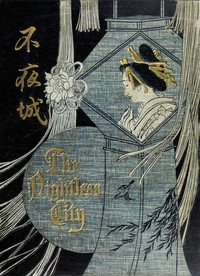
The nightless city; or, The "history of the Yoshiwara Yūkwaku"
Written by J. E. (Joseph Ernest) De Becker
Chaptra reads alongside you — AI insights, chapter breakdowns and reader discussions for every book. Join free
About this book
Reading guide
Themes, characters and key ideas in The nightless city; or, The "history of the Yoshiwara Yūkwaku", written by Chaptra AI.
- about 12 hours
- advanced
- Informative
- Historical
- Analytical
J. E. De Becker's "The Nightless City" offers a meticulous historical account of Yoshiwara, Edo (and later Tokyo)'s renowned licensed pleasure district, from its origins in the Tokugawa period through the late 19th century. As a foreign resident, De Becker provides a unique, detailed, and often clinical examination of the district's complex regulations, social structures, and daily life. The book posits Yoshiwara as a societal solution to manage prostitution, presenting it as a 'necessary evil' rather than a moral condemnation. Through its exploration of customs and the integration of courtesans into broader society, the work illuminates the intricate interplay between morality, legality, and human desire in historical Japan, offering a rare window into a unique social institution.
“The establishment of Yoshiwara was not merely a concession to human weakness, but a calculated societal response to a 'necessary evil,' meticulously regulated to maintain public order.”
Key themes
- Societal Regulation of Prostitution
- The book meticulously details how Yoshiwara was established and managed as a highly regulated district to contain and control prostitution. This theme explores the intricate laws, hierarchies, and customs designed to institutionalize sex work, reflecting a pragmatic societal approach to a 'necessary evil' rather than outright prohibition.
- Morality vs. Legality and Pragmatism
- De Becker's analysis highlights the tension and interplay between moral condemnation of prostitution and the pragmatic legal and social acceptance of Yoshiwara. The book suggests that Japanese society, particularly during the Tokugawa period, chose to manage and contain an 'immoral' activity rather than suppress it entirely, viewing it as a functional solution to broader social stability.
- Cultural Significance and Social Integration
- Beyond its function as a pleasure quarter, Yoshiwara held significant cultural weight, influencing art, fashion, theatre, and social customs. The book illustrates how courtesans, particularly the high-ranking oiran, were not merely prostitutes but cultural figures, skilled in arts, conversation, and fashion, deeply integrated into the broader fabric of urban Japanese society.
Worth discussing
How does De Becker's portrayal of Yoshiwara as a 'necessary evil' reflect or challenge modern understandings of prostitution and societal control?
Chapter-by-chapter breakdowns, character arcs and the full thematic analysis come with a free account.
Discussions
No one has started one yet
Questions this book opens up
No discussions yet
Be the first to start a discussion about this book!
Sign up to start the discussionReviews
No reviews yet
Be the first to review this book!