
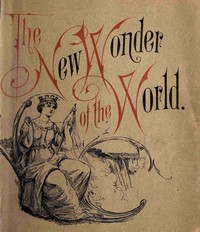
The New Wonder of the World: Buffalo, the Electric City
Written by A. E. Richmond
Chaptra reads alongside you — AI insights, chapter breakdowns and reader discussions for every book. Join free
About this book
Reading guide
Themes, characters and key ideas in The New Wonder of the World: Buffalo, the Electric City, written by Chaptra AI.
- about 8 hours
- intermediate
- optimistic
- visionary
- informative
A. E. Richmond's "The New Wonder of the World: Buffalo, the Electric City" is a historical account from the early 1890s, chronicling Buffalo, New York's rapid transformation into a major industrial hub. The book champions the city's strategic location, superior transportation, and most significantly, the groundbreaking utilization of hydroelectric power from Niagara Falls. Richmond presents a highly optimistic vision of Buffalo's future, foreseeing unparalleled economic prosperity and growth driven by cheap, clean electricity. It details the burgeoning manufacturing sectors and predicts a significant influx of industries and population, cultivating an efficient urban environment free from the pollution of traditional fuel sources. Ultimately, the work serves as a testament to late 19th-century technological optimism and a promotional piece for Buffalo's destiny as the 'Electric City.'
“Buffalo, by virtue of its unparalleled resources and strategic location, stands poised at the precipice of an industrial revolution unlike any the world has yet witnessed.”
Key themes
- Technological Progress and Innovation
- This is the central theme, exploring how the harnessing of hydroelectric power from Niagara Falls drives an unprecedented era of industrial and urban development. Richmond extols electricity as a revolutionary force, capable of transforming every aspect of city life and industry, showcasing a deep faith in human ingenuity and scientific advancement.
- Urban Development and Planning
- The book details Richmond's vision for Buffalo's future as a planned, efficient, and prosperous industrial city. It considers how strategic location, infrastructure (transportation, electricity), and industrial attraction contribute to a city's growth and identity. The emphasis is on building a modern metropolis that can accommodate rapid expansion.
- Optimism and the American Dream
- Richmond's narrative is steeped in the Gilded Age's boundless optimism regarding America's future and the potential for individual and collective prosperity through industry and innovation. It champions the idea that hard work, strategic planning, and technological advancement can lead to an almost utopian state of economic well-being and progress.
Worth discussing
How does Richmond's vision for Buffalo compare to the actual development of industrial cities in the 20th century?
Chapter-by-chapter breakdowns, character arcs and the full thematic analysis come with a free account.
Discussions
No one has started one yet
Questions this book opens up
No discussions yet
Be the first to start a discussion about this book!
Sign up to start the discussionReviews
No reviews yet
Be the first to review this book!